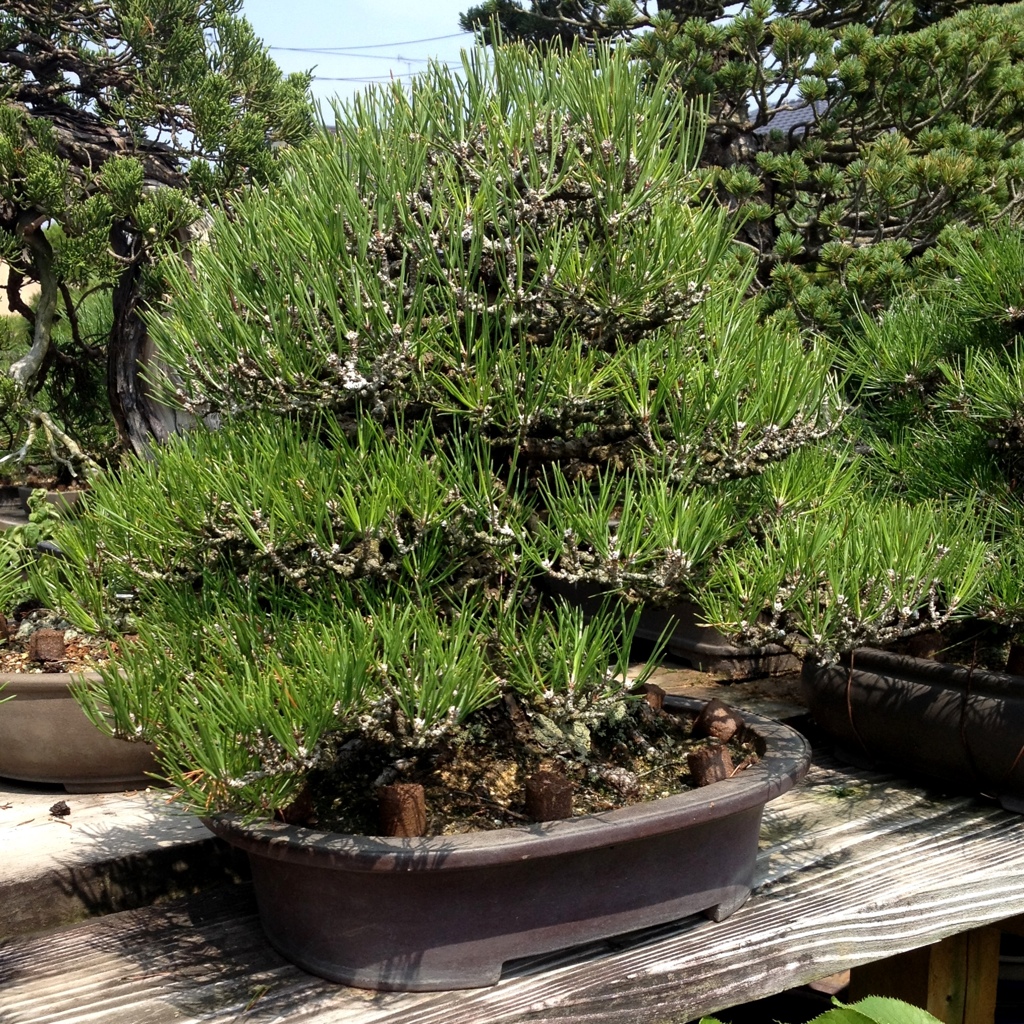
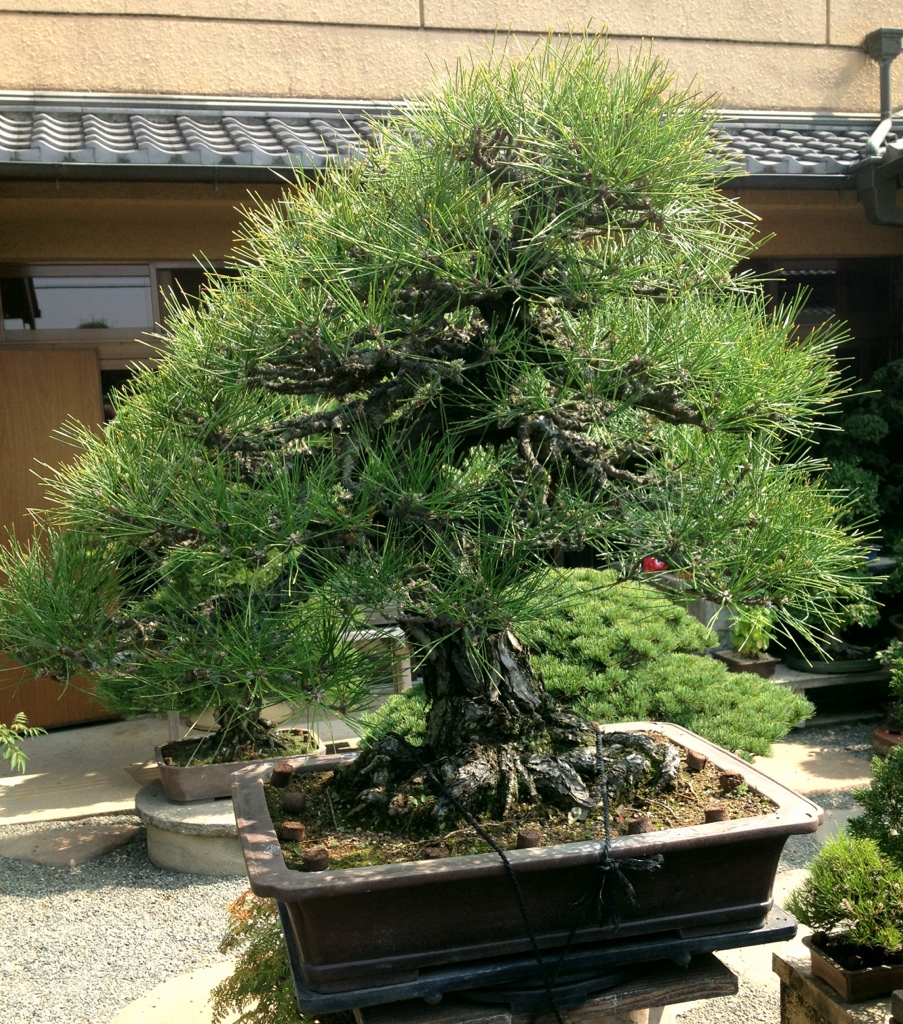
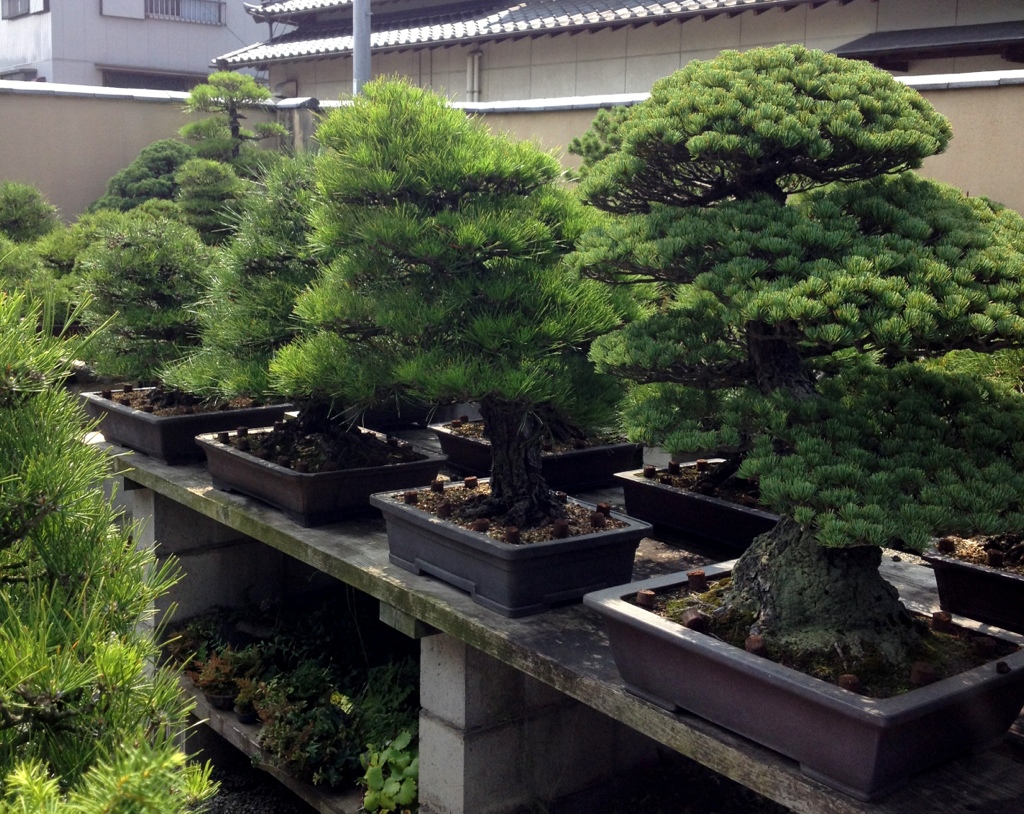
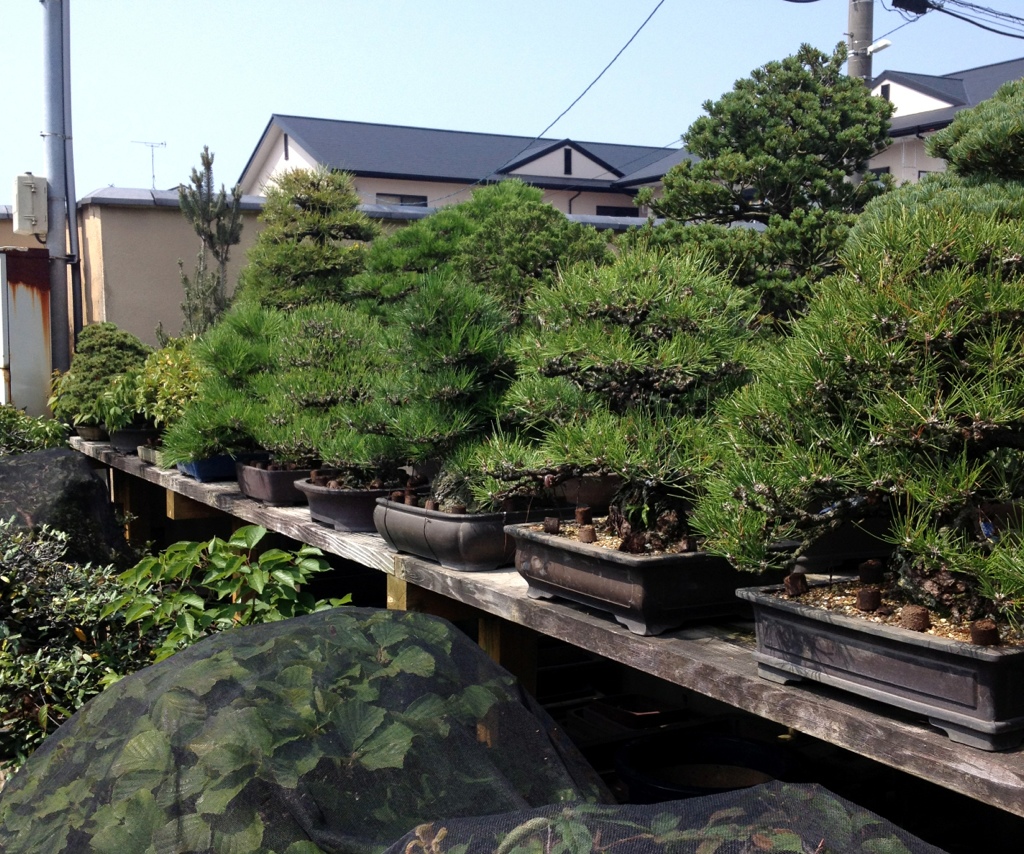
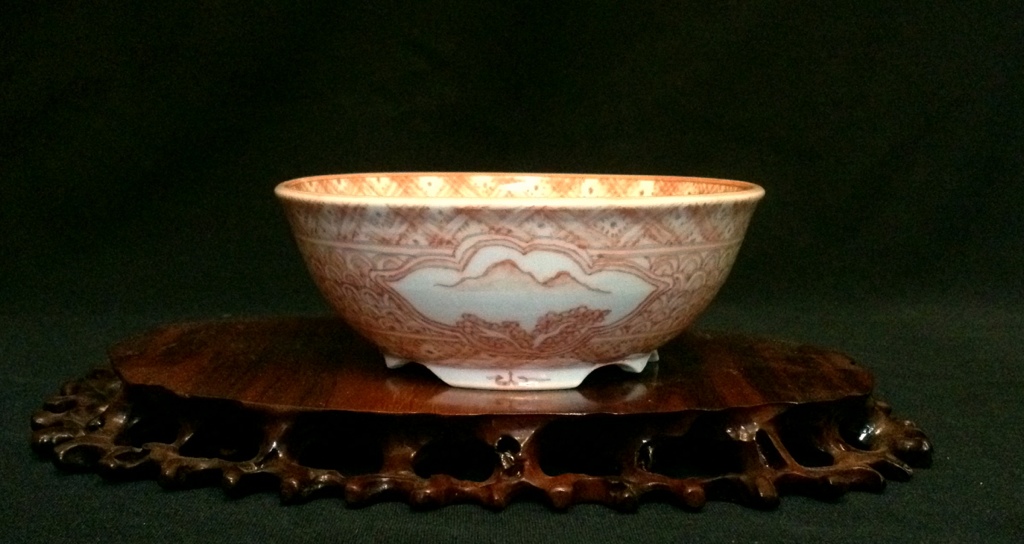
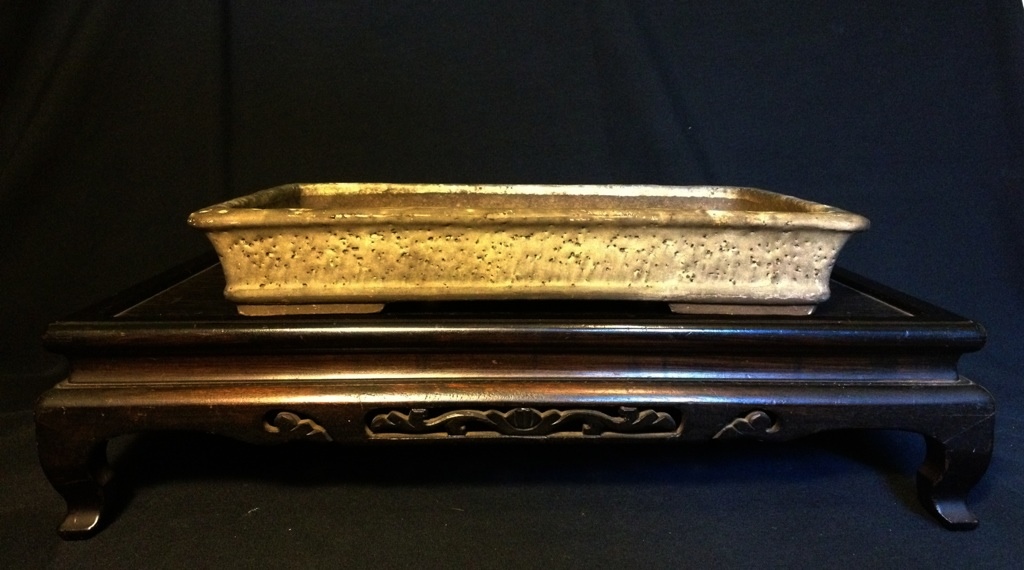
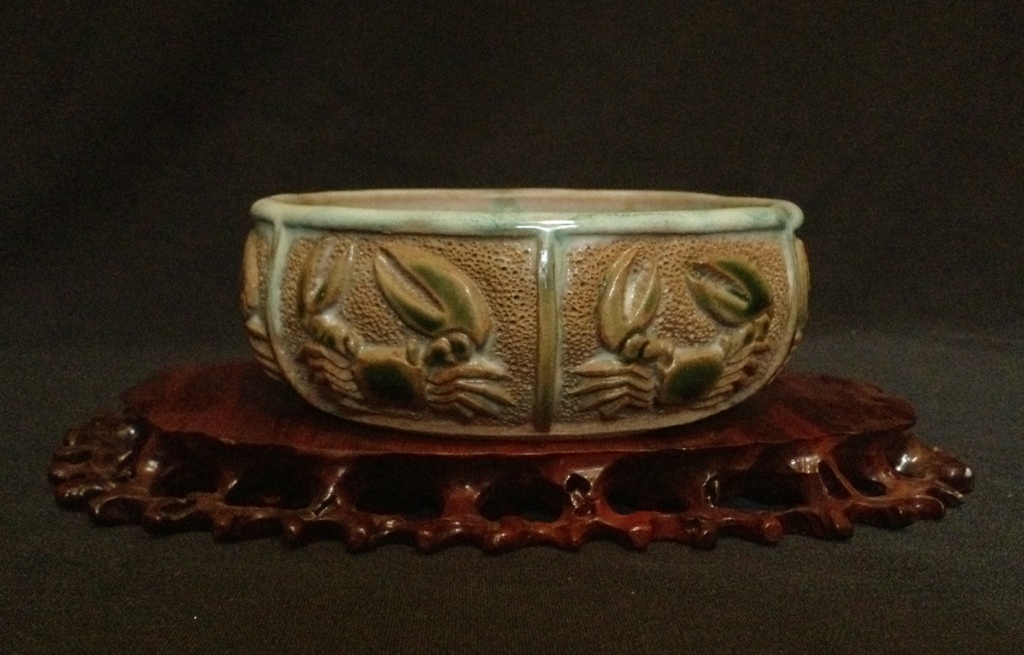
Nihon de Hajimete: Part 2, Taishoen and Daijuen

Taishoen
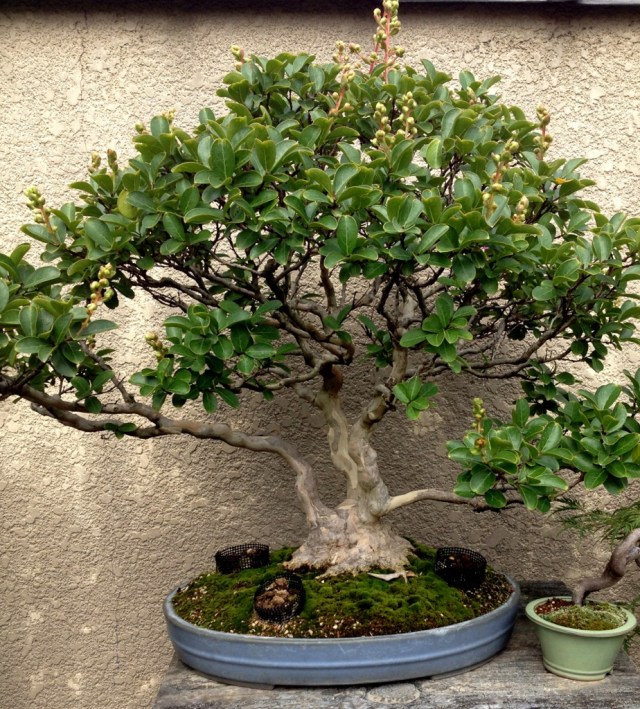
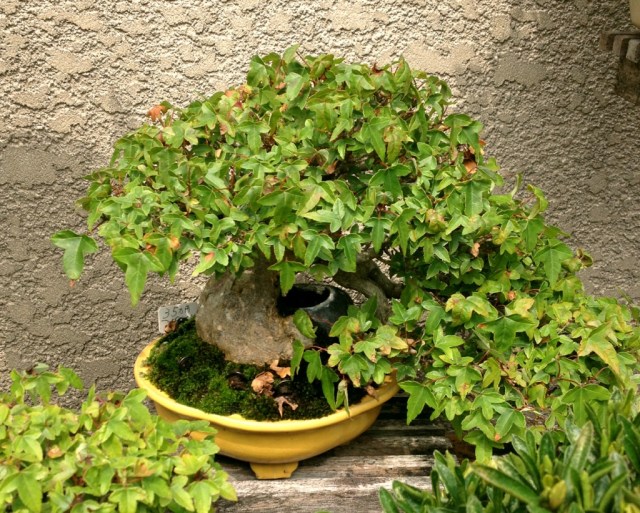
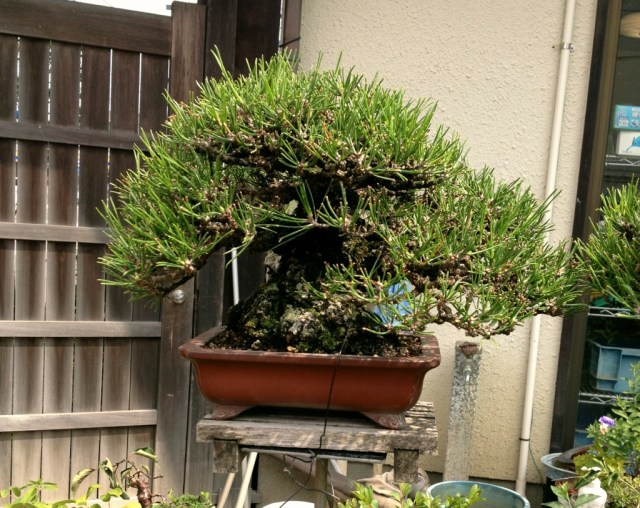
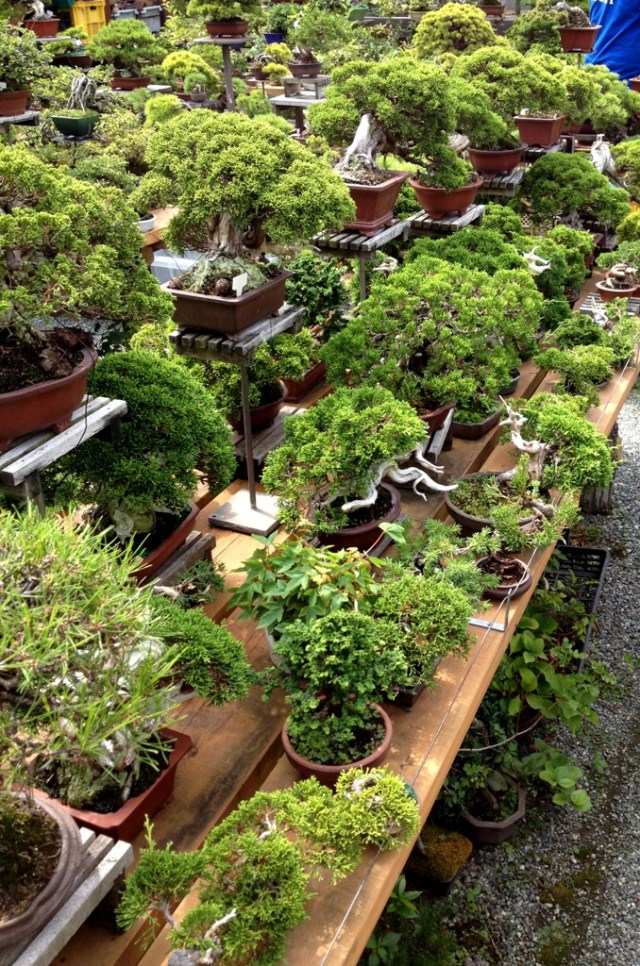
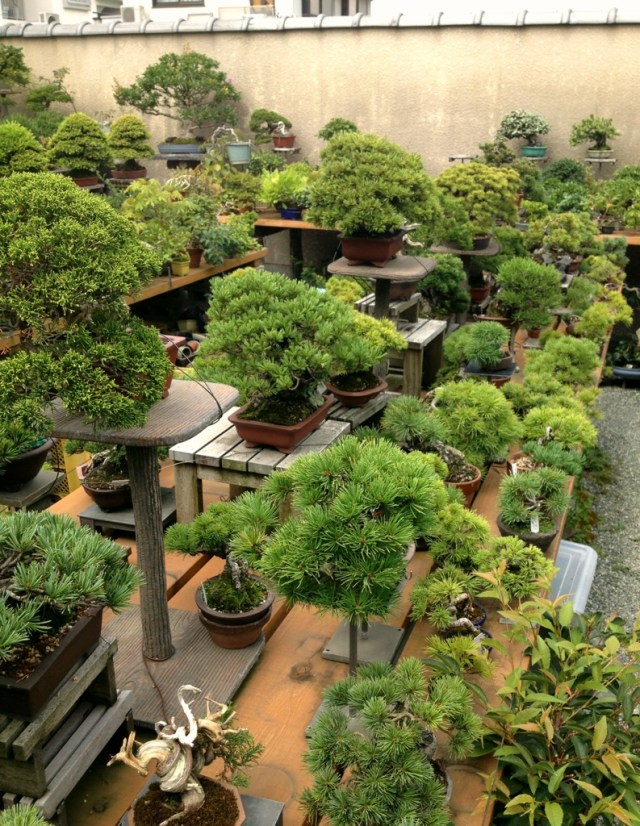
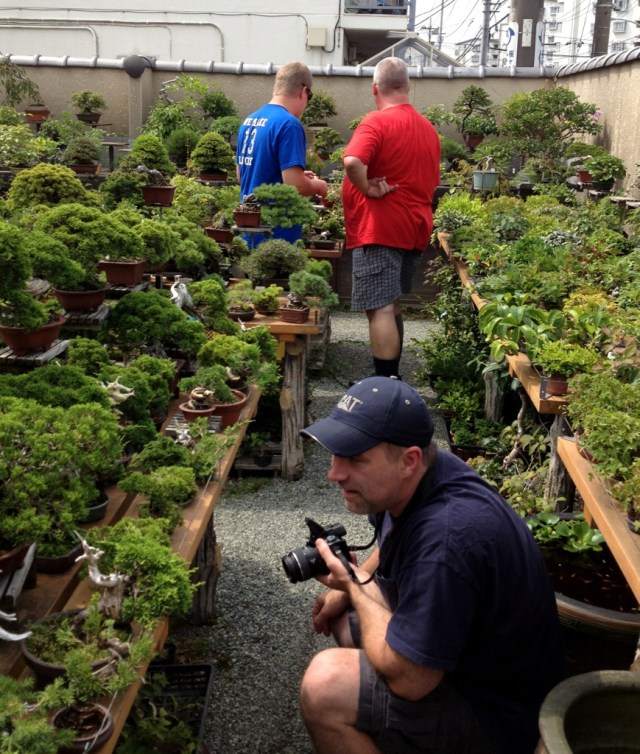
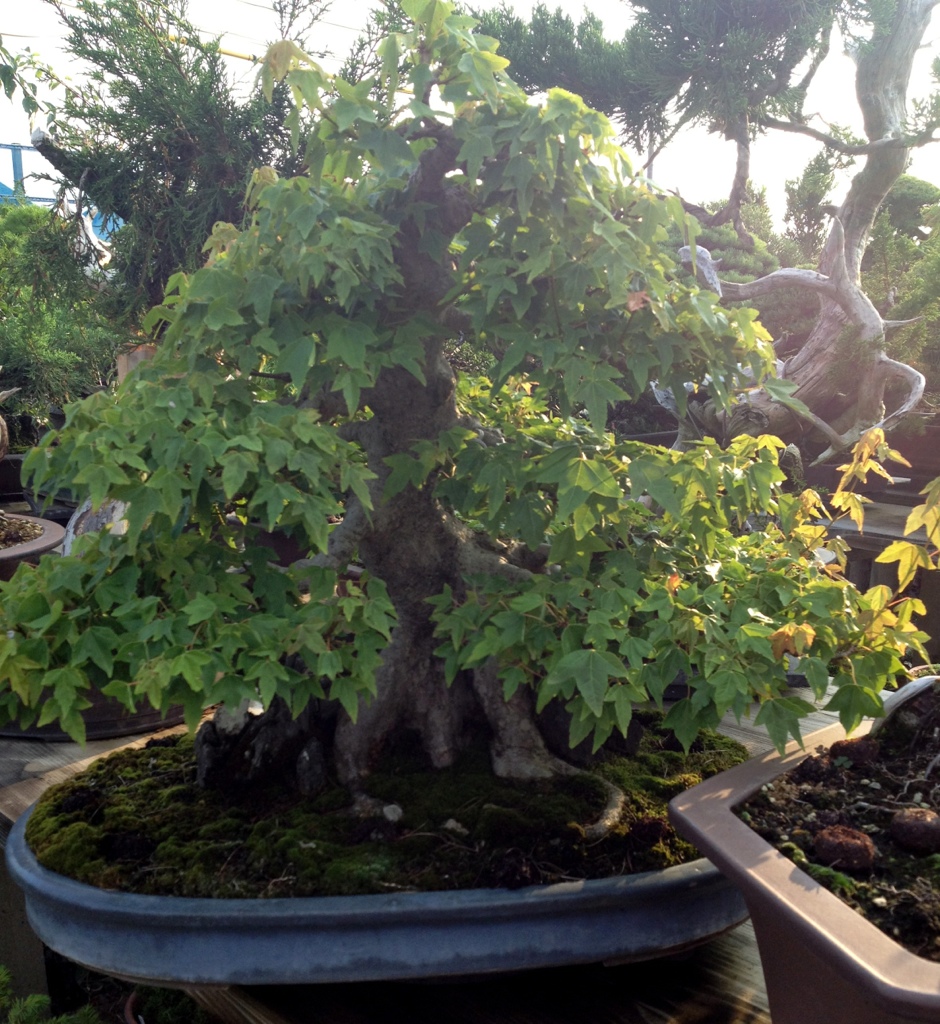
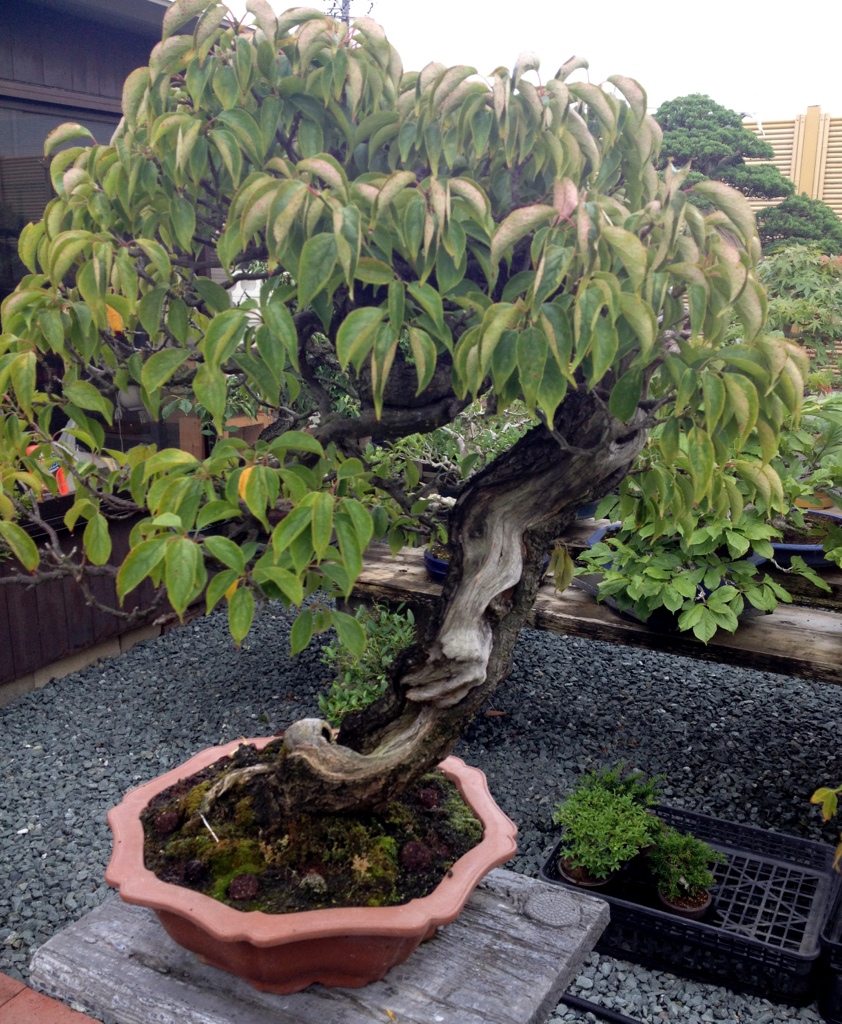
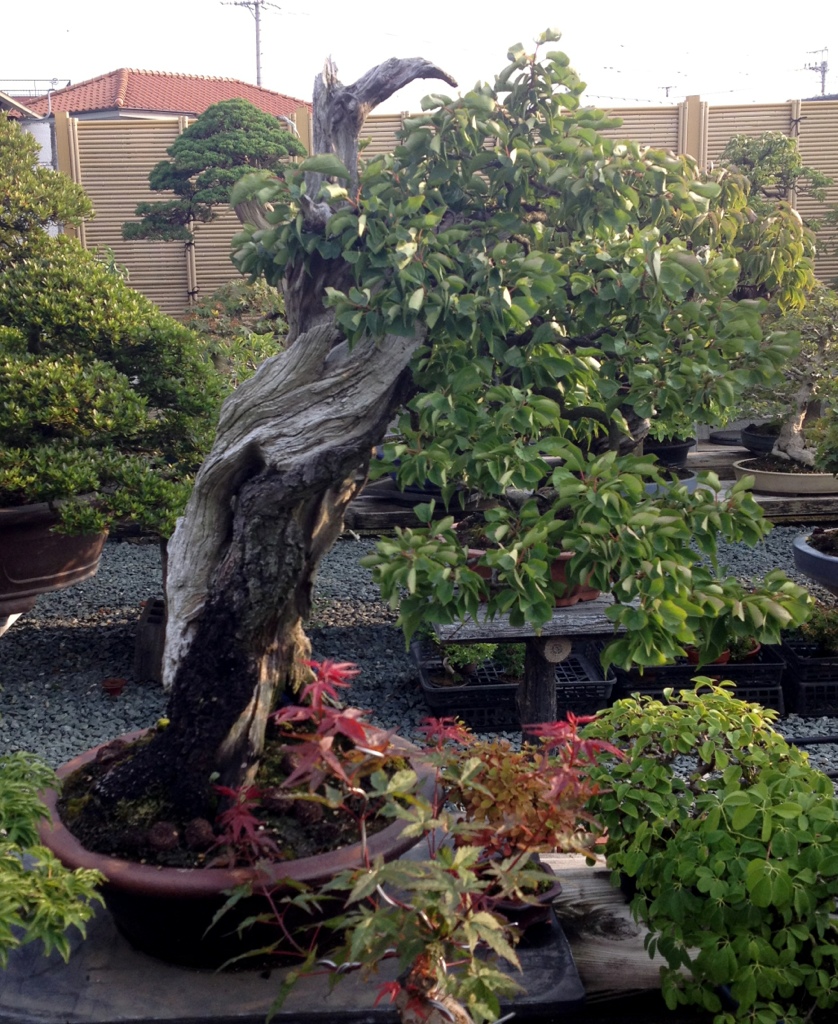
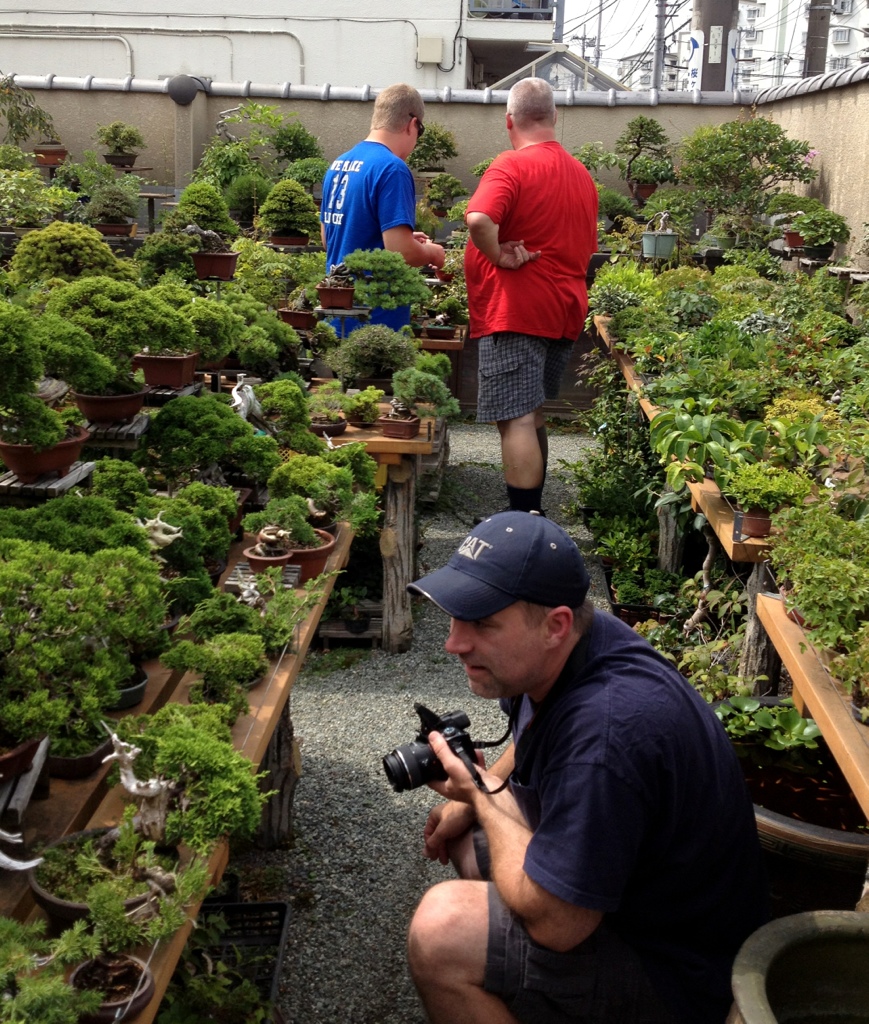
The next Leg of the trip saw us visiting Urushibata San and Taishoen. There are a mad amount of awesome shohin, Chuhin, and Omono bonsai at Taishoen, and it’s definitely a nursery not to be missed!

20130812-184140.jpg

20130812-184215.jpg

20130812-184242.jpg

20130812-184302.jpg

20130812-184425.jpg

20130812-184443.jpg
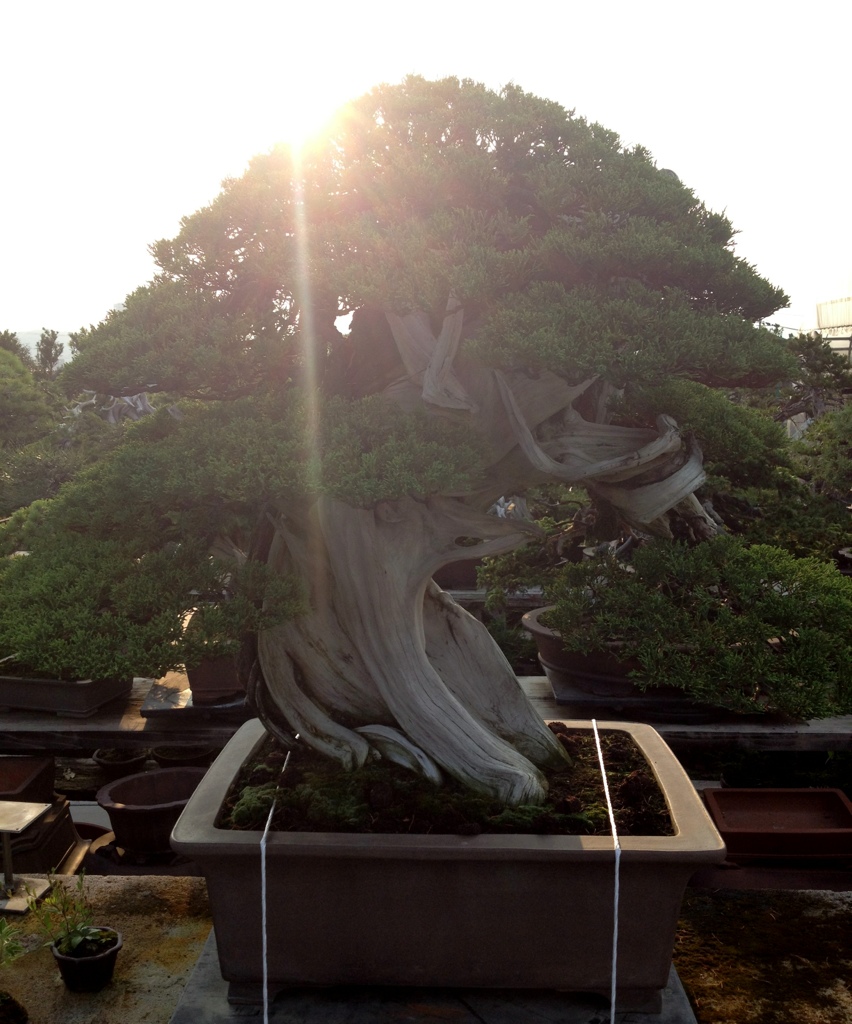
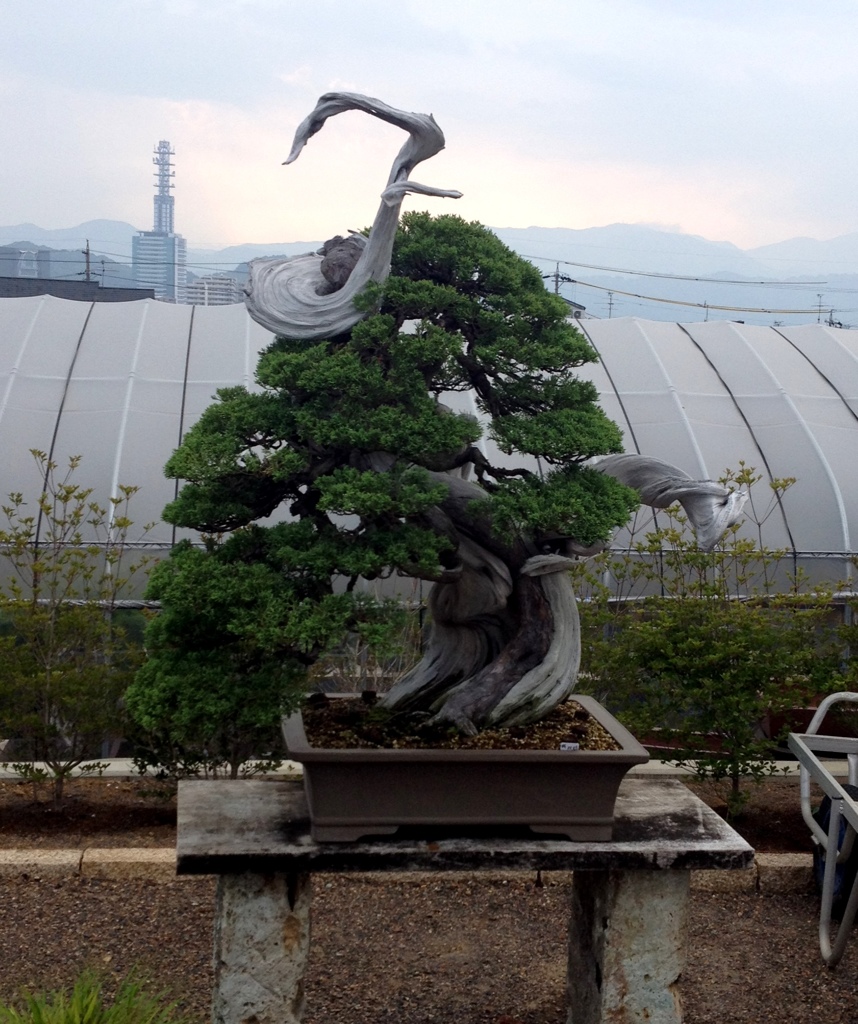
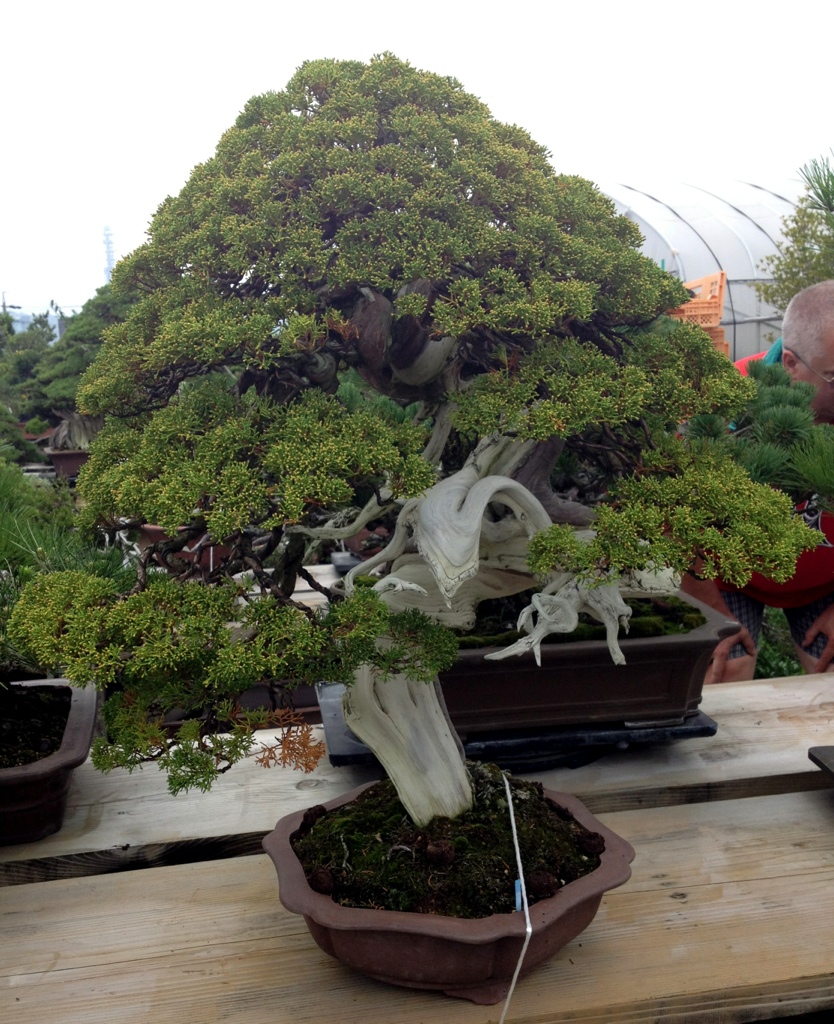
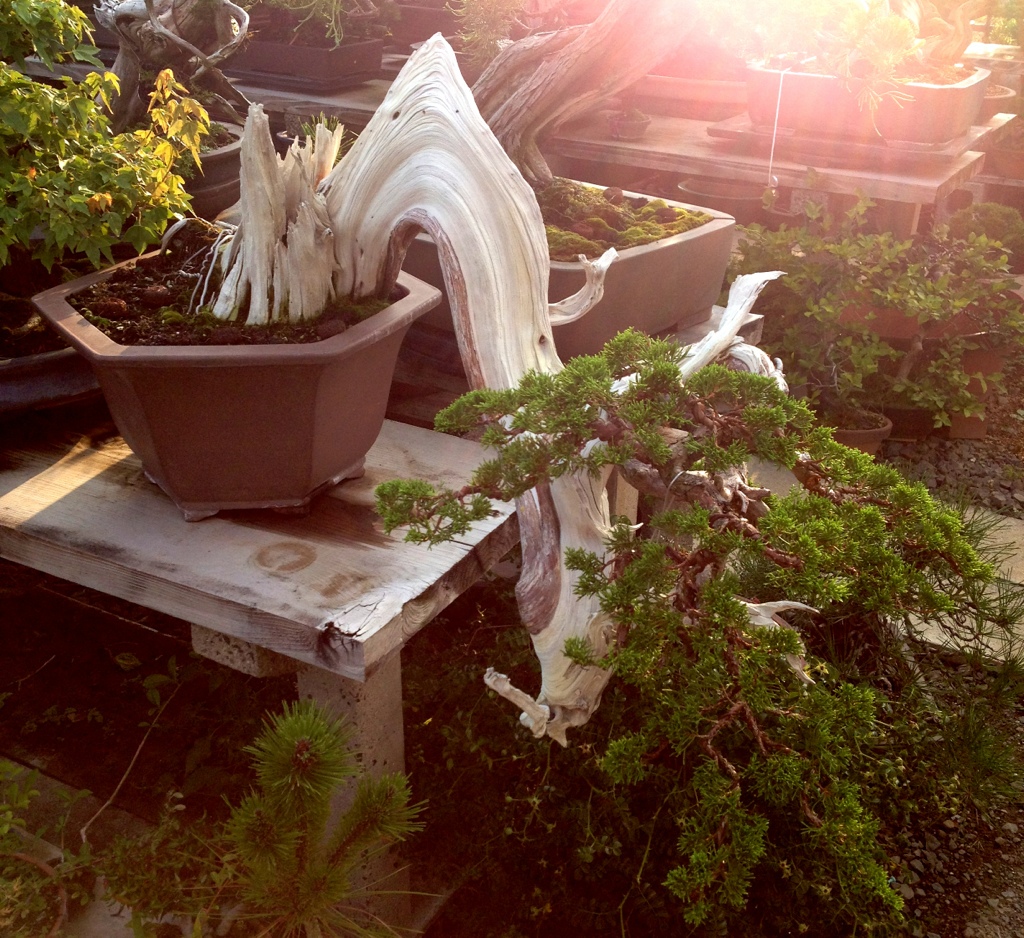
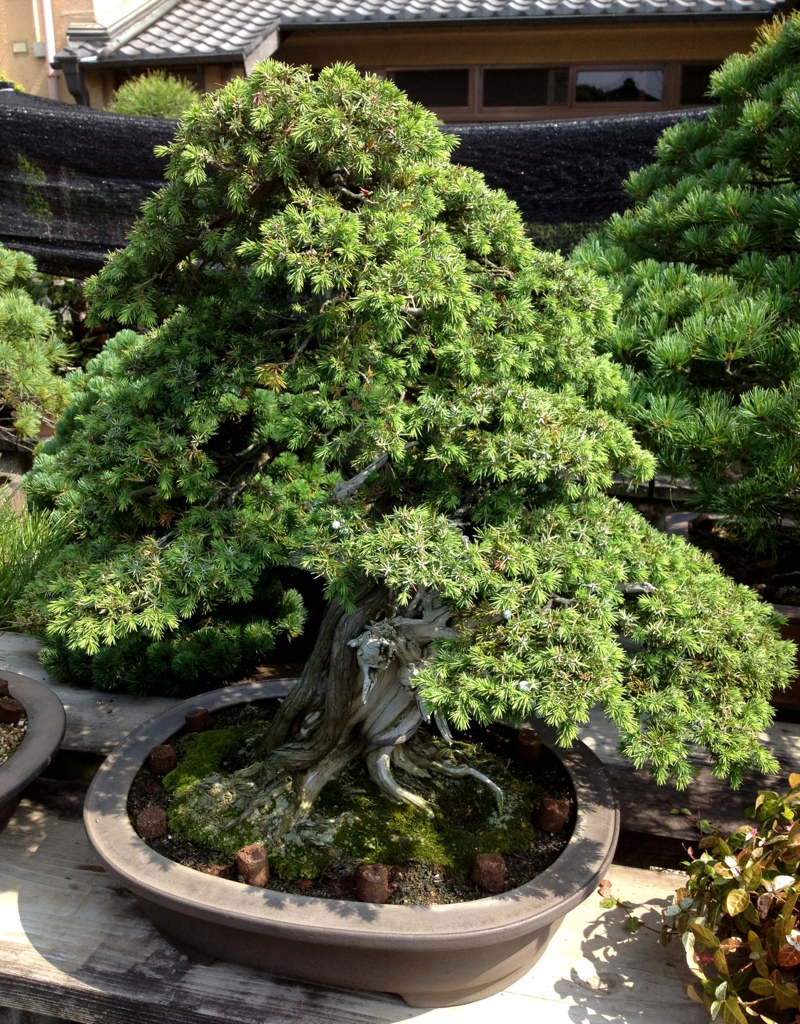
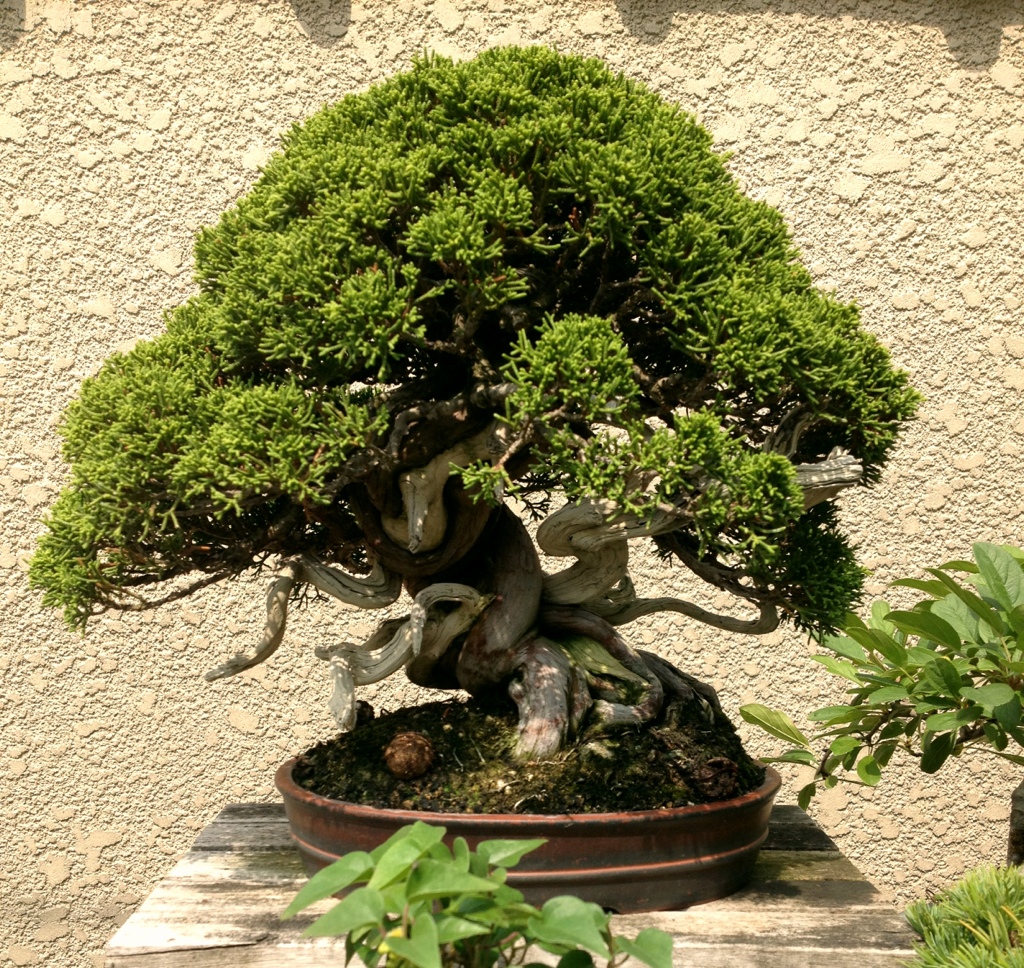
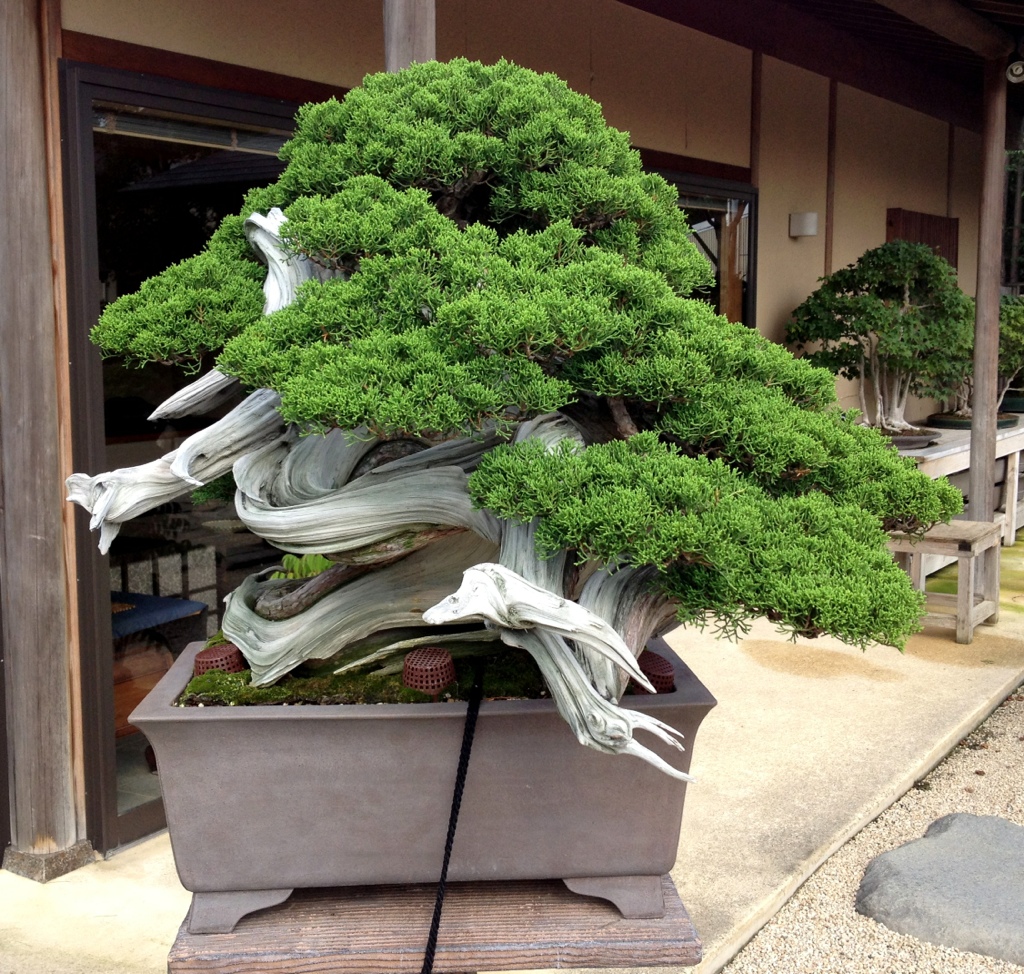
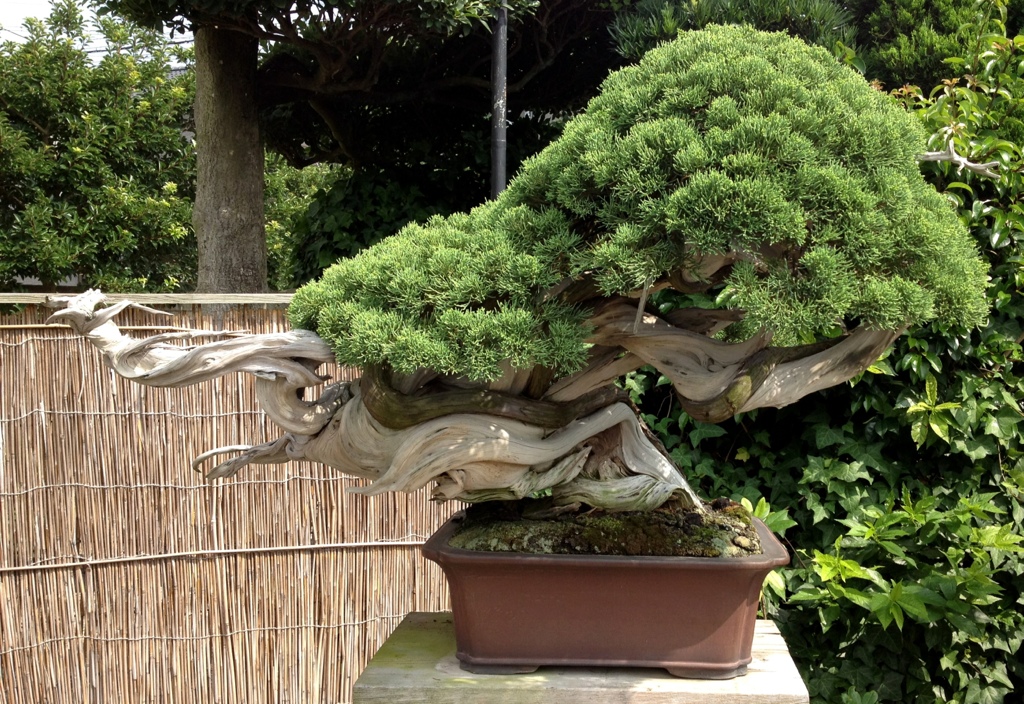
A few large Shinpaku bonsai…

20130812-184542.jpg

20130812-184605.jpg

20130812-184631.jpg
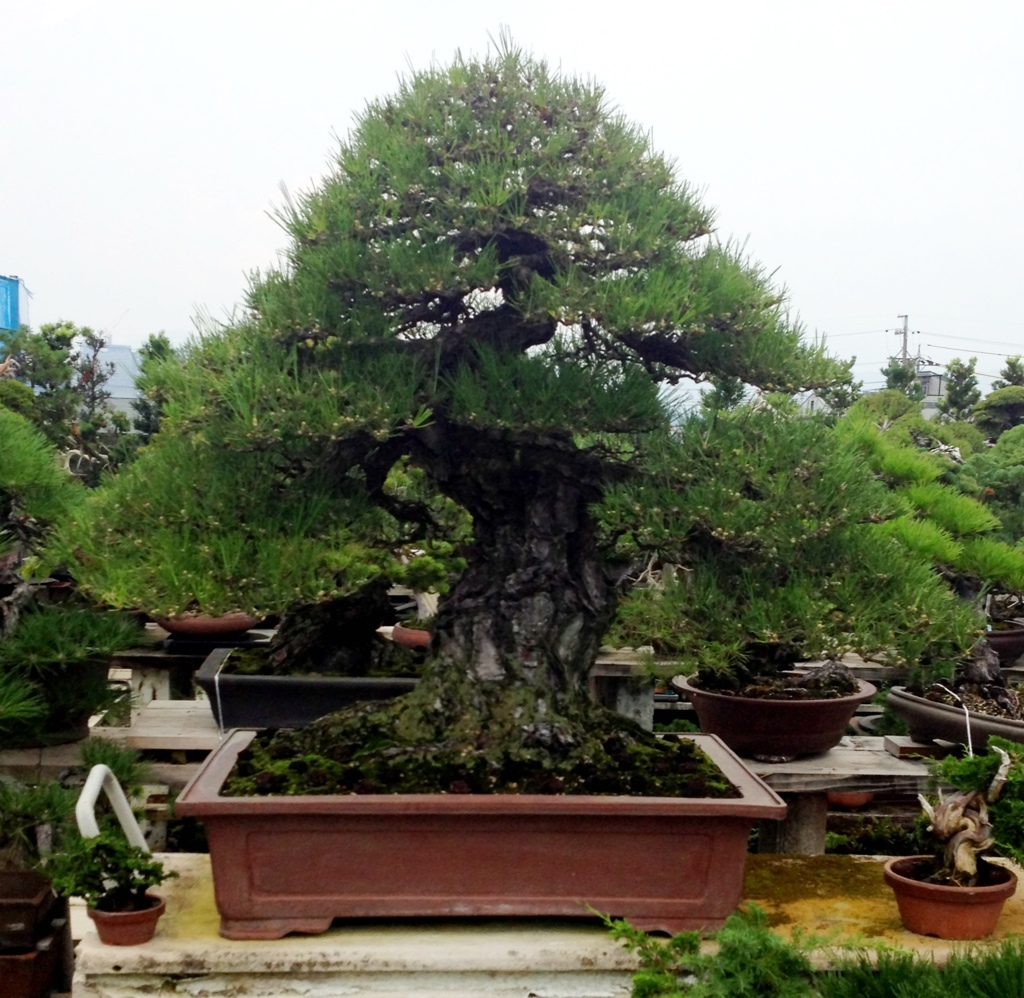
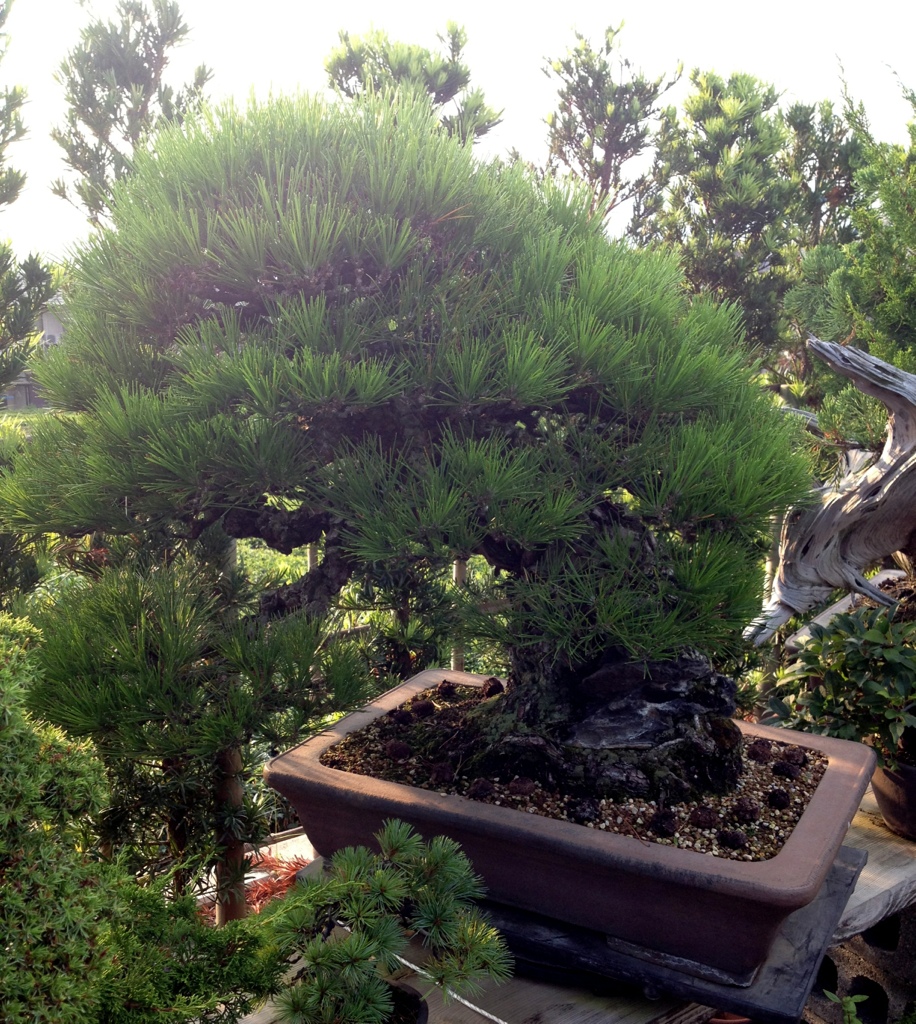
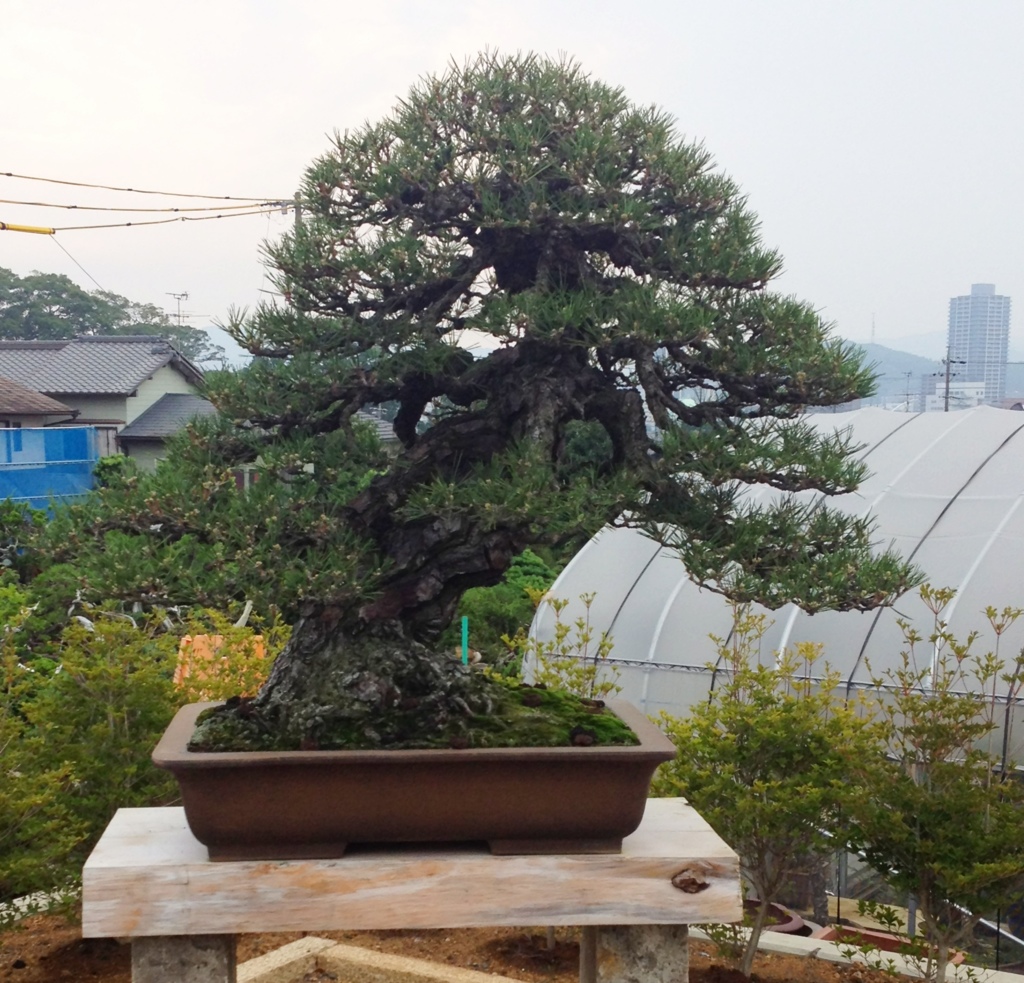
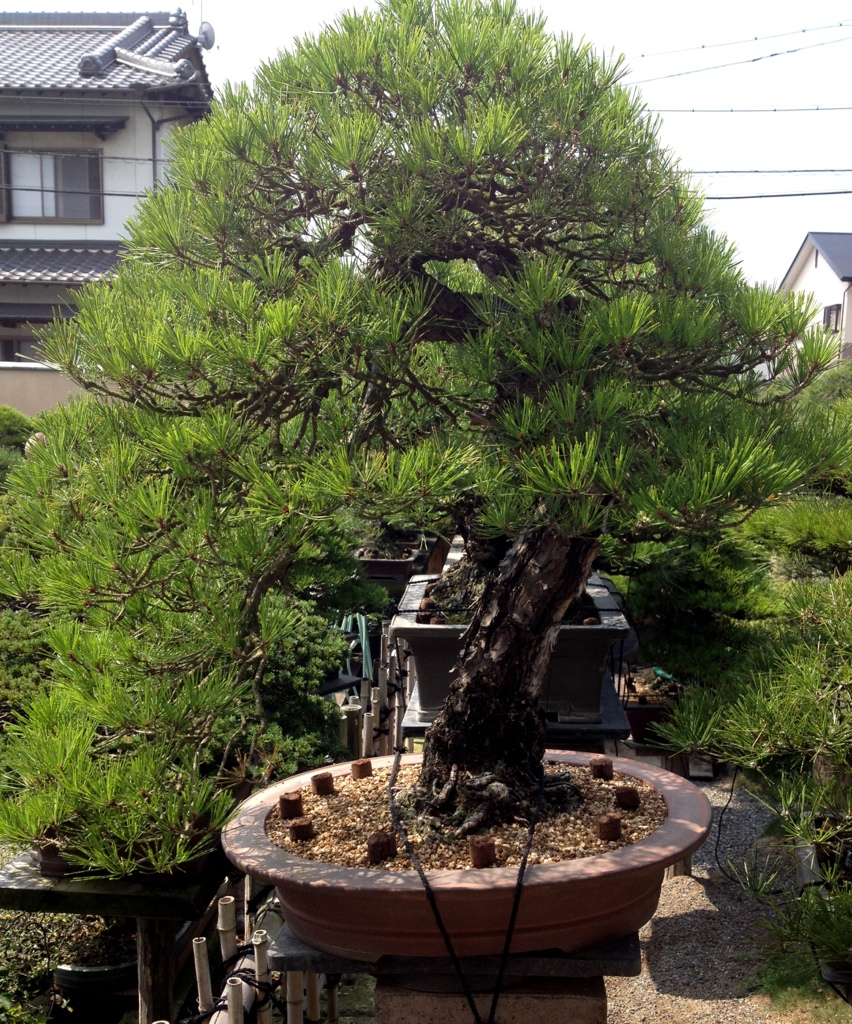
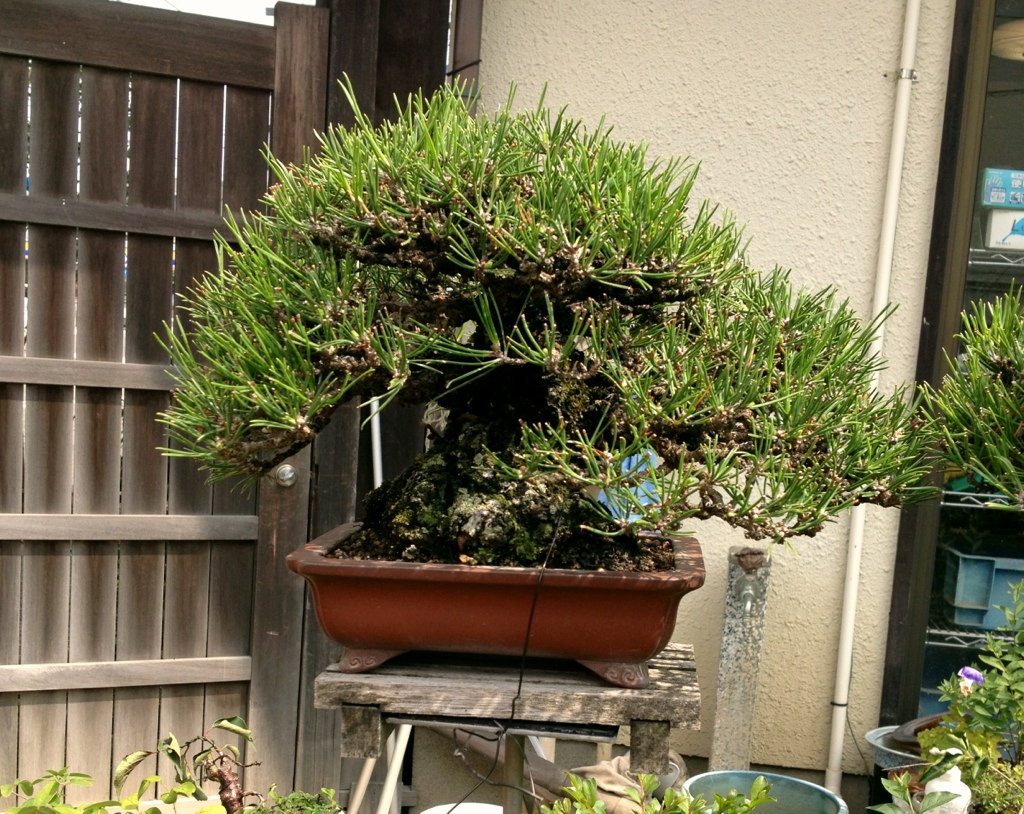
Massive pines!

20130812-184803.jpg
Tosho

20130812-184932.jpg

20130812-184959.jpg

20130812-185033.jpg

20130812-185014.jpg
Kaede

20130812-185212.jpg
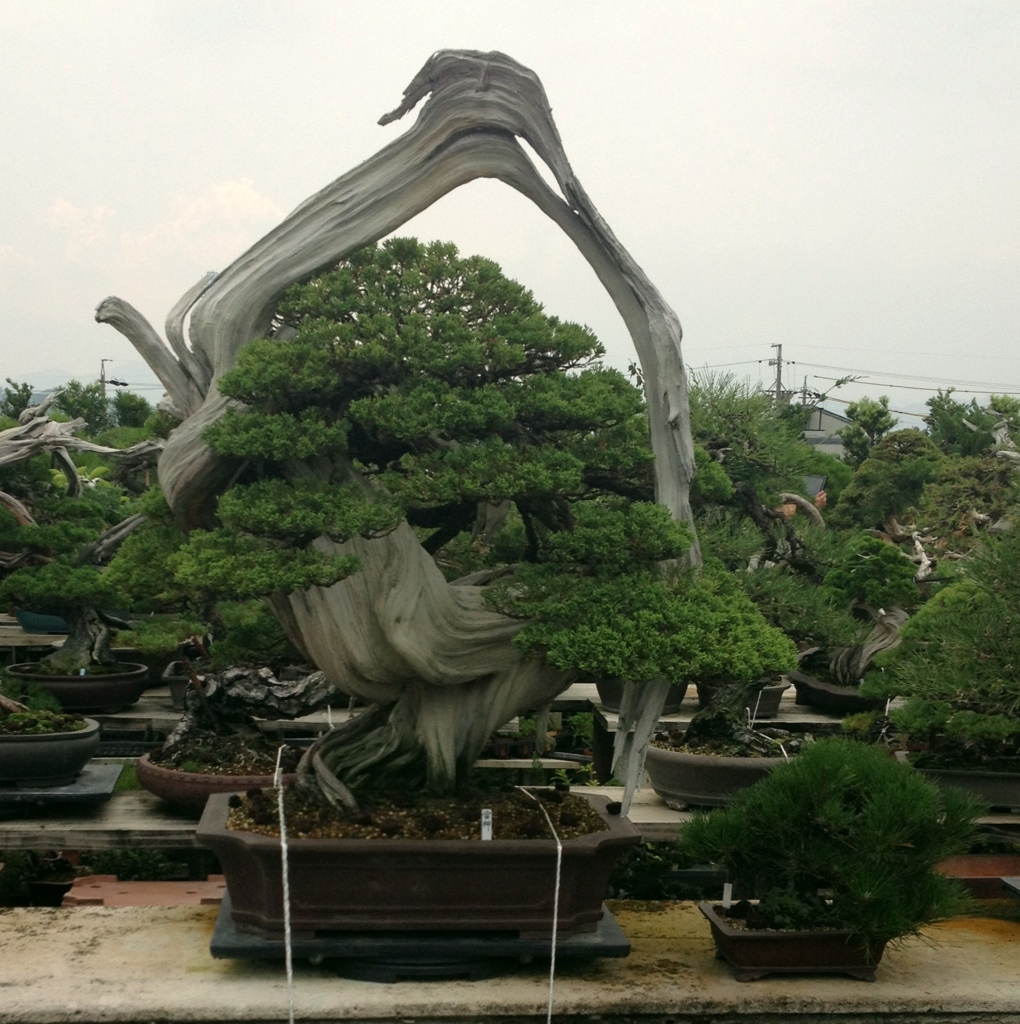
Killer cascade Shinpaku in development.

20130812-185309.jpg

20130812-185323.jpg
Ume!!!

20130812-185439.jpg
Shohin Tosho with some really impressive Ibo-jin.

20130812-185621.jpg
Broom style Keyaki.

20130812-185726.jpg
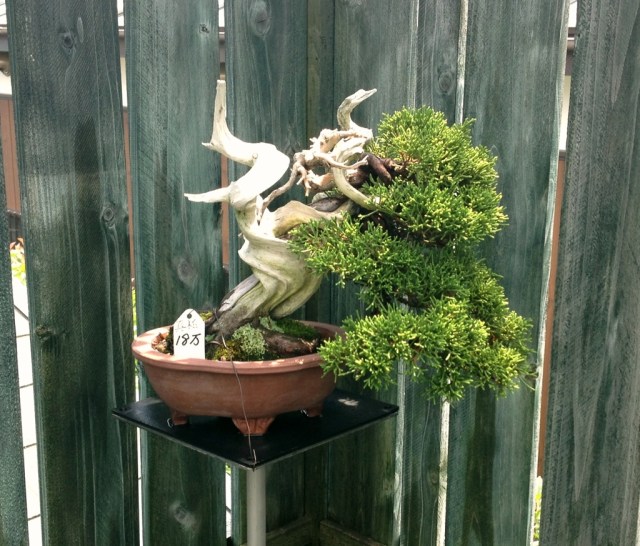
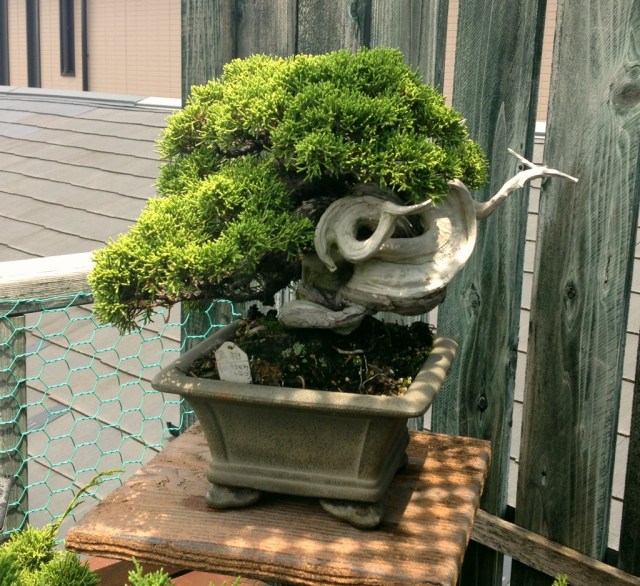
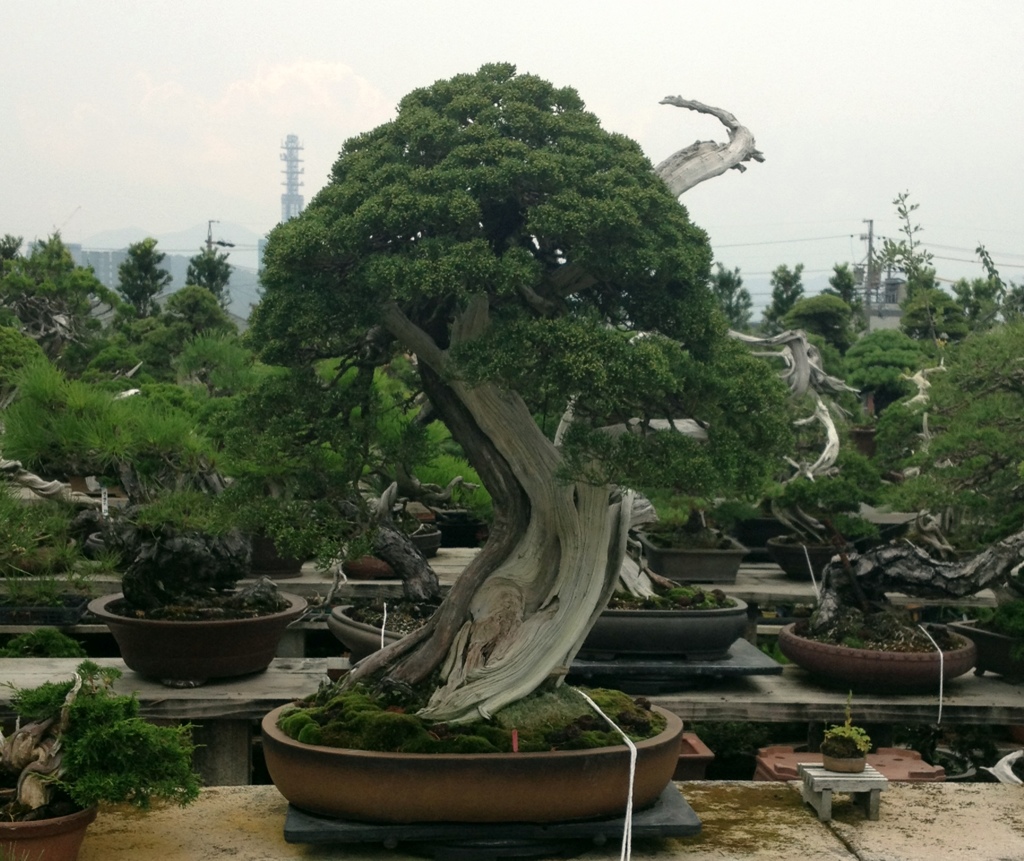
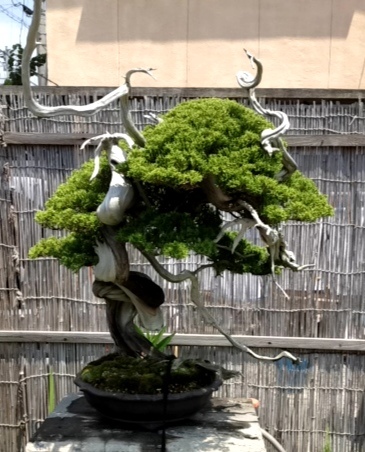
Twisty shohin Shinpaku.
Daijuen
Next up, we met up with Mr. Ken Fujiwara, who prepared Matt’s Kaede thr appeared in Kokufu earlier this year. Mr. Fujiwara apprenticed at Daijuen, and was kind enough to take us on a tour of Daijuen, Shinpukuji Temple, and Aichien.
Daijuen had a large number of world class large pines, in addition to some impressive Tosho and maples.

20130812-190231.jpg

20130812-190122.jpg

20130812-190210.jpg
A few large Pines….

20130812-190459.jpg
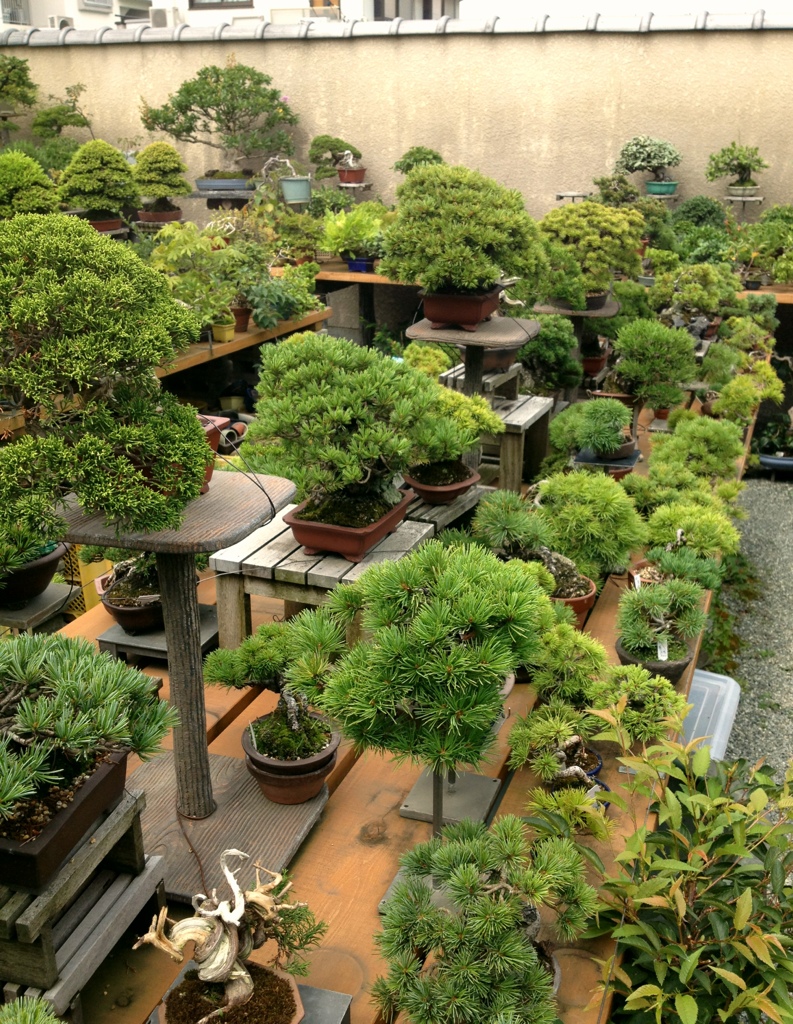
Seas of pines.

20130812-190526.jpg
Still more seas of pines…

20130812-190545.jpg
Oceans of pines!

20130812-190606.jpg
Pines!!

20130812-190848.jpg
Broom style Keyaki.

20130812-190912.jpg
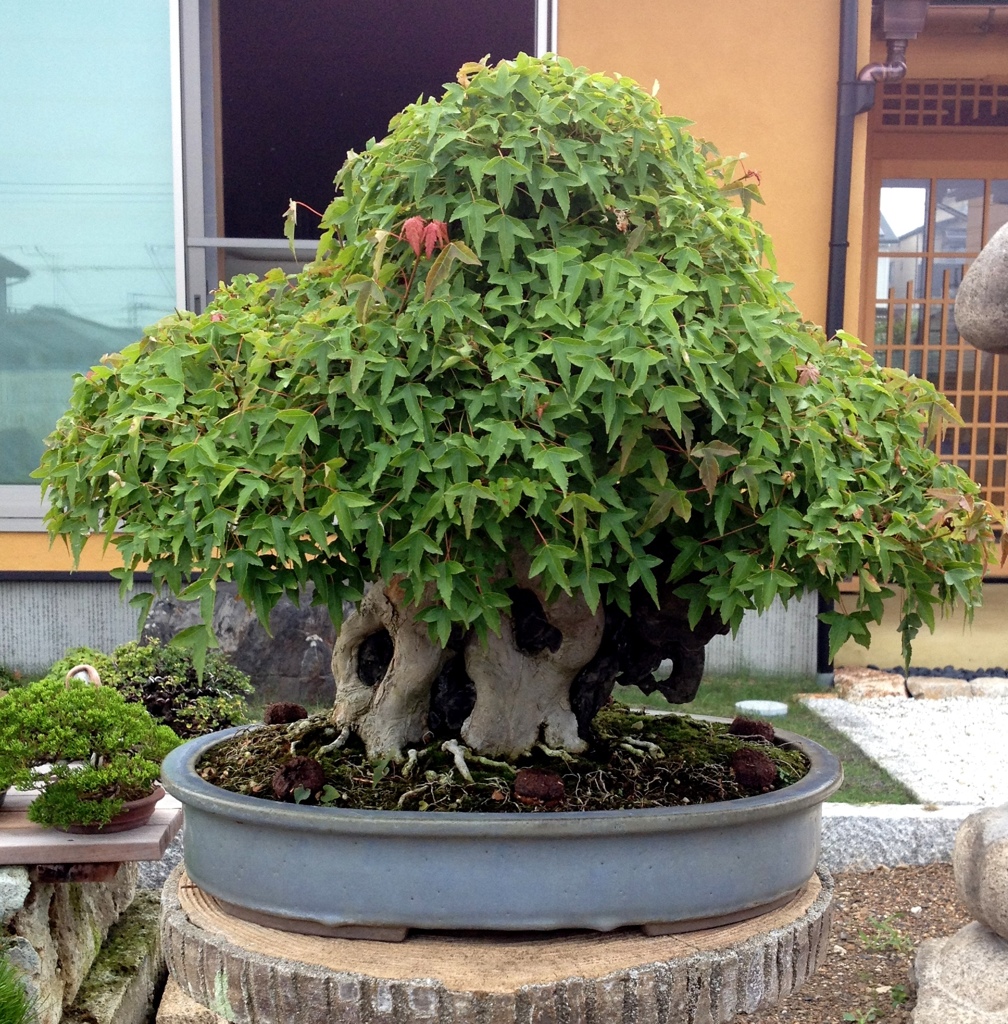
Killer base on a multi trunk Maple.

20130812-190942.jpg
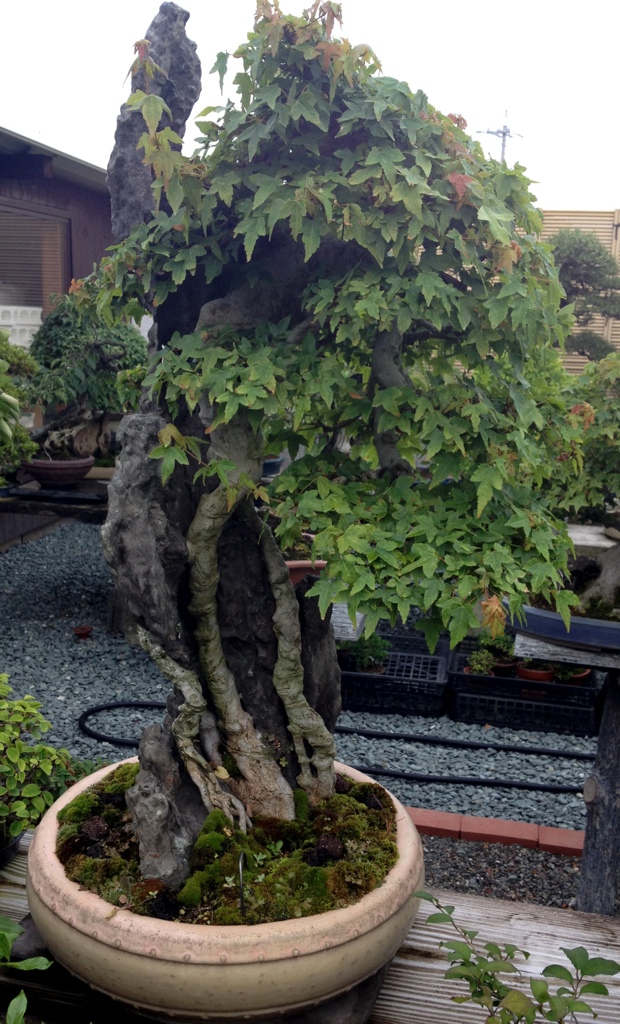
Big root over rock Kaede.

20130812-190957.jpg
Big an well refined Tosho.

20130812-191301.jpg
Massive pine!

Up next: Fujiwara San shows us around to Shinpukuji Temple and Aichien.

Posted in Uncategorized | 6 Comments

Nihon de Hajimete:Part 1, Kaede Bonsai En, Shofuen, And Yamatoen

Kaede Bonsai En
Before our flight out to Japan, I took advantage of the(extraordinarily rare for a Chef like me) time I forced off to spend a day at Kaede Bonsai-En, with the organizer of this little adventure, Matt Ouwinga. I’ve known Matt for a couple of years, but this was the first time we’ve met in person and the first time I’ve seen his wonderful garden. In addition to a whole load of Japanese and Trident Maples(Kaede Bonsai-En, duh), Matt has a very impressive collection of shohin and chuhin bonsai of various species: Shimpaku, Japanese Black and White Pine, Obai(winter jasmine), Chojubai, Stinky Maple, Ginko….et al. Et al.
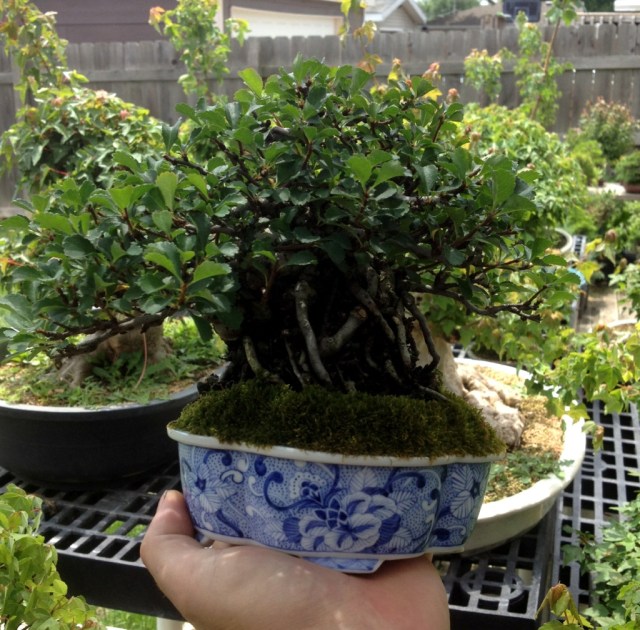
20130808-113350.jpg
Chojubai in a Gekkou pot, a great match. This one was plopped into this pot for this years’ rounds of National Shows…alas. Hopefully Matt will display something nice at the Chicago show instead. The smart money’s on him if he does. 😉
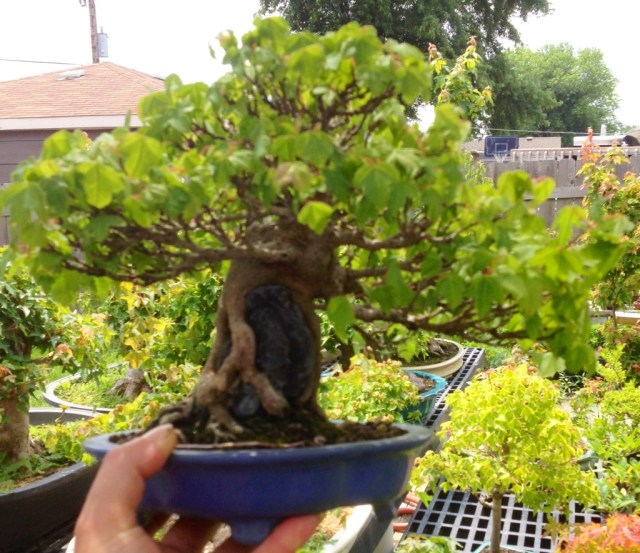
20130808-113435.jpg
Root over Rock Kaede, Ikkou wraparound pot. Great pot selection, great tree. Matt’s had this one for quite a while, and it was a really good bonsai before he got his hands on it. It’s only improved since. The baby blue signature Ikkou glaze really compliments light green Kaede foliage well, and, in my opinion, it’s the closest one can get from a contemporary potter to the antique Chinese, solid “Kinyo” glaze.
I’ll go into more detail about all the pots I saw after the trip log is laid down. Stay with me! Breathe! We’ll get there, clay knurds…
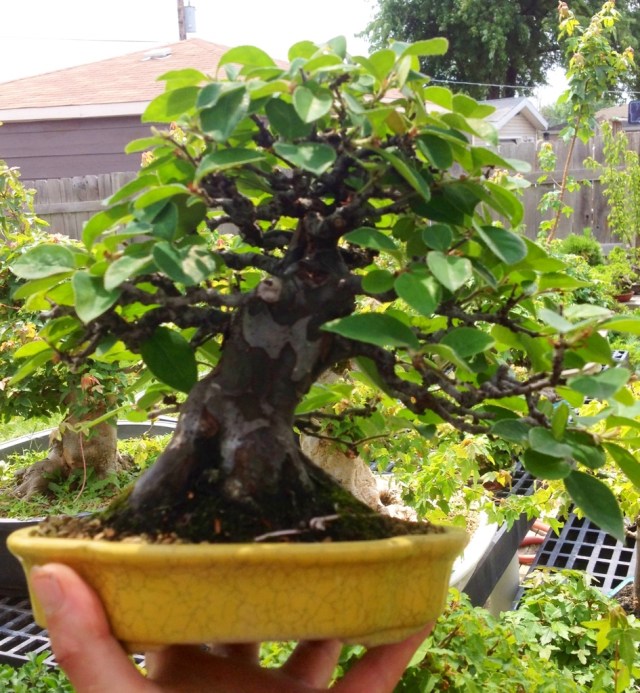
20130808-113456.jpg
Chinese Quince, Aiba Koyo Yellow crackle glaze. Yellow is a classic color to showcase Chinese Quince. Why? Well, when you glue( or sometimes grow…) one of those big, ugly ass yellow fruits on there…it’s complimentary. That’s one silly reason. The more refined (IMO) reason is the LACK of the big, silly, unattractive, bright yellow fruit. The yellow is a good contrast with the exfoliating bark and mid green leaves, but more importantly, it suggests the fruit without it being present. It’s aesthetically pleasing from all angles, and artistically appealing as a choice…because…well…subtlety kicks ass. Ironic that…
as a sidenote, you can extend this principal to yellow flowering trees shown out of season: bonsai like Obai(Yellow flowering Winter Jasmine) or Ume(Apricot-many colors) can make a huge impact in a shohin display when shown out of season in pots that imply the flower or fruit…the subtle suggestion of the big seasonal show implied in the container selection, out of season.
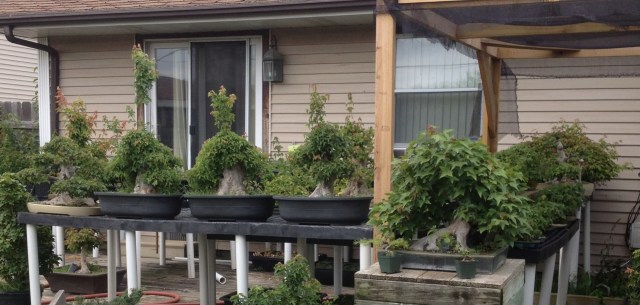
20130808-113521.jpg
Quick snapshot of a small part of Matt’s Garden: Kaede Bonsai-En. Matt’s been growing and refining bonsai for around 2 decades…and he’s a young man…well, a younger man than me, anyway 😉
I don’t remember where I read or heard it. Eideticker memory has its benefits, and it’s drawbacks. But a quote has stuck with me, ostensibly attributed to a Japanese Professional: “Some people do Bonsai for 30 years, Most people do bonsai for one year, 30 times.” Matt’s made the most of his 20, and his Garden shows it. I envy those who have studied with him: Namely, Neil Dellinger, who was also along for this adventure in Japan, and has studied with Matt for the last 6 of his 7 years in Bonsai. Check out some of his trees in your recent “Nationals” album, or check out his website at
Broken Arrow Bonsai
As a professional educator, Matt is justifiably proud of the work his Bonsai students have achieved, and made sure to include Neil in this years article in Bonsai Sekai concerning his Kokufu entry in February.

In addition to impressive Bonsai, Matt boasts one of the most extensive Bonsai Pottery Collections in the West, including the most extensive collection of Heian Tofukuji Pots in America. I thoroughly enjoyed studying his collection in person. For a limited selection of some highlights from Matt’s Collection(and better photos than I boast!), visit his website at Kaede Bonsai-En
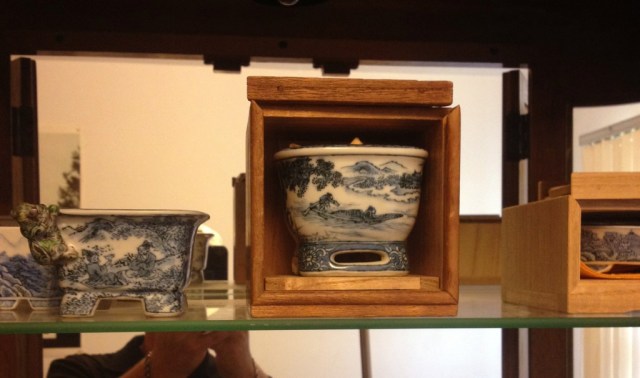
20130808-132653.jpg
Yusens and Yoheis!

20130808-132913.jpg

20130808-132921.jpg
Okatani Zeshins.

20130808-133046.jpg
Curio o’ Tofukuji!

20130808-134511.jpg
A similarly impressive collection of rare Western Pots.

Shofuen
After a brief late night tour of Shunkaen upon arrival in Japan, the next morning saw us up bright and early to visit Komiya San at Shofuen. There was an impressive array of mostly Shohin Bonsai, and a good selection of pots at reasonable prices. Komiya San was fun and very enthusiastic about Bonsai, it was a great visit.
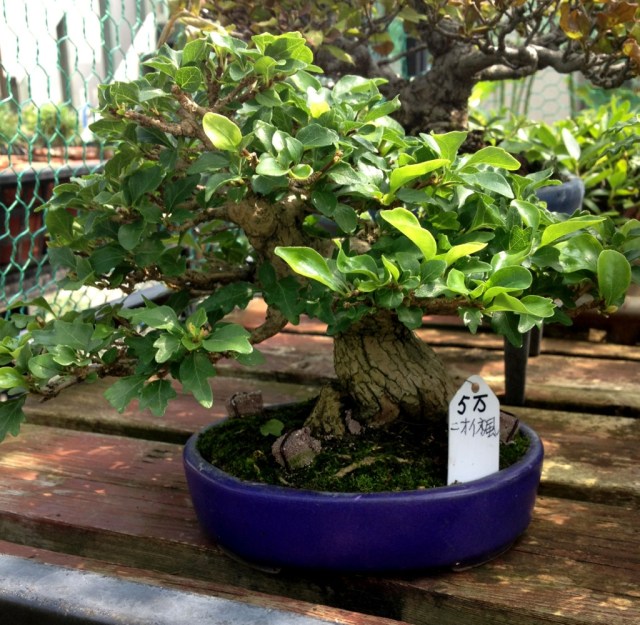
20130808-135238.jpg
Nice Shohin Musk Maple.

20130808-135445.jpg

20130808-135518.jpg
A couple of nice Shohin Shimpaku. The Shari on the second one gives me some serious wood…while puns are the official lowest form of humorous discourse, I reserve the right to use them often and unashamedly. Deal.
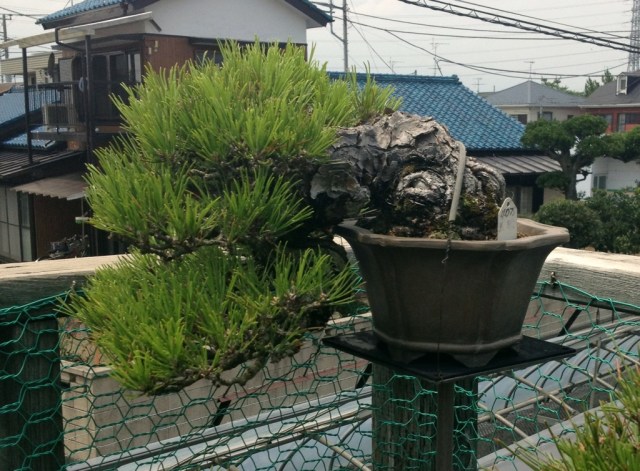
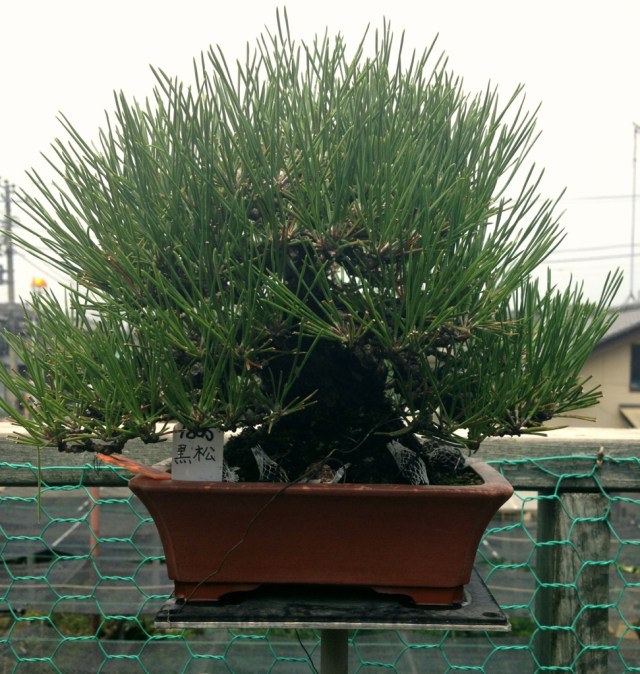
20130808-140044.jpg

20130808-140116.jpg
Kuromatsu. Black Pines! My favorite! I find it interesting to note the “excessive” needle length on the(recently, like, last week, recently) decandled “smaller shohin”(smaller shohin-10-15cm, or, 4-6”) black pine. Probably not decandled last year, and, judging by the condition of the soil and pot, it was probably downsized-to-weakness. Skipping a year in refinement when major root work like that is done is, IMO, a pivotal step that most western enthusiasts miss, weakening the tree and, in the long run, setting the refinement back a bit(because when the weakness catches up and compounds, you’ll perhaps have to give the tree several seasons of free reign to regain strength, as opposed to the 1 when you should have laid down the tools)….
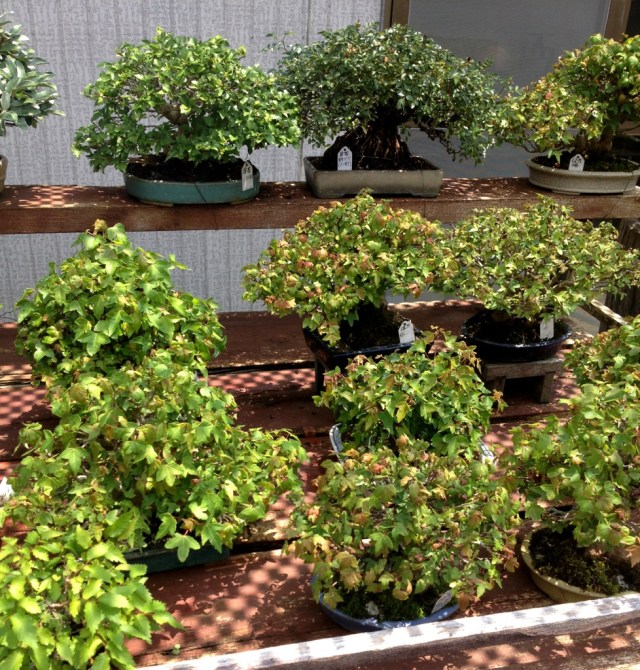
20130809-042219.jpg
From the top, left to right, and dropping
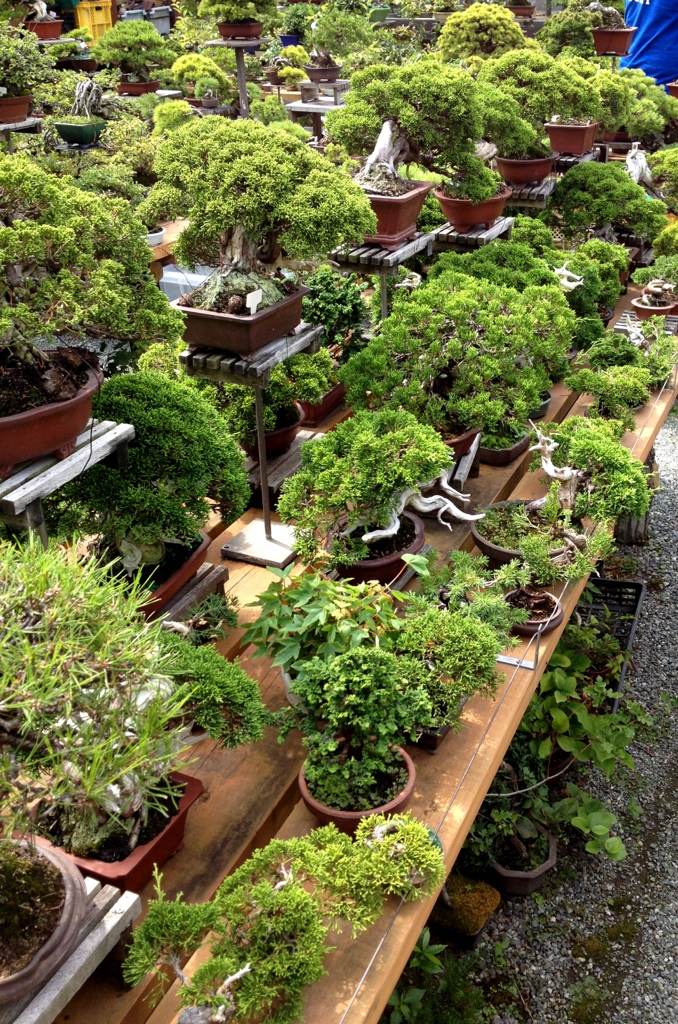
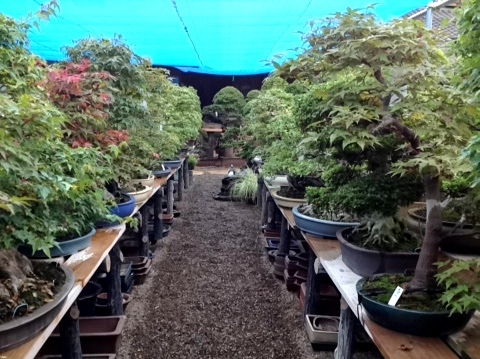
Down: The First of Many “Sea of _____” photographs. Here, we have a sea of mostly ‘Maples’: Stinky Maple, Komachi Rose(big fat badass Komachi Rose ;-)), Kaede, Kaede, Kaede, Kaede…
There was a lot more to be seen at Shofuen, Bonsai wise, and I wish I’d snapped a few more pics. I think l spent more time enjoying Komiya San’s company than the awesome shohin in his garden.
Yamatoen
Our next stop saw us at Yamatoen, garden of Yukio Hirose, Chairman of the All Japan Shohin Bonsai Association. Yamatoen has a wonderful selection of Shohin bonsai and masterpiece level pots! It was a real pleasure pawing through everything.
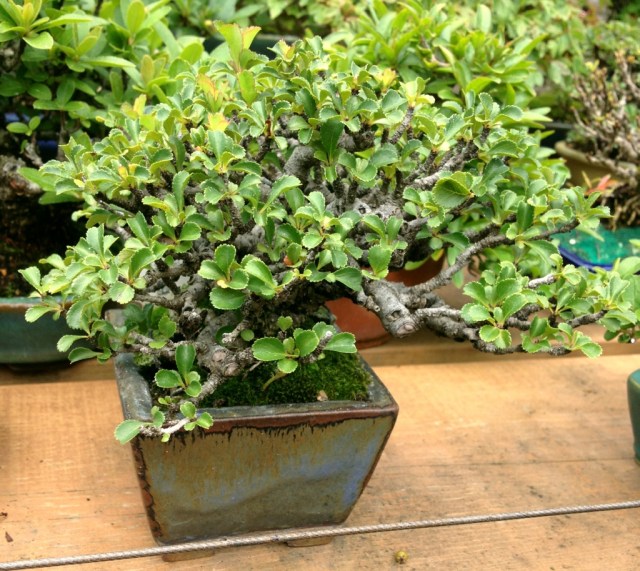
20130812-175534.jpg
A nice little Chojubai in a first Generation Tofukuji pot.

20130812-175702.jpg
Crepe Myrtle with a killer base.

20130812-175825.jpg
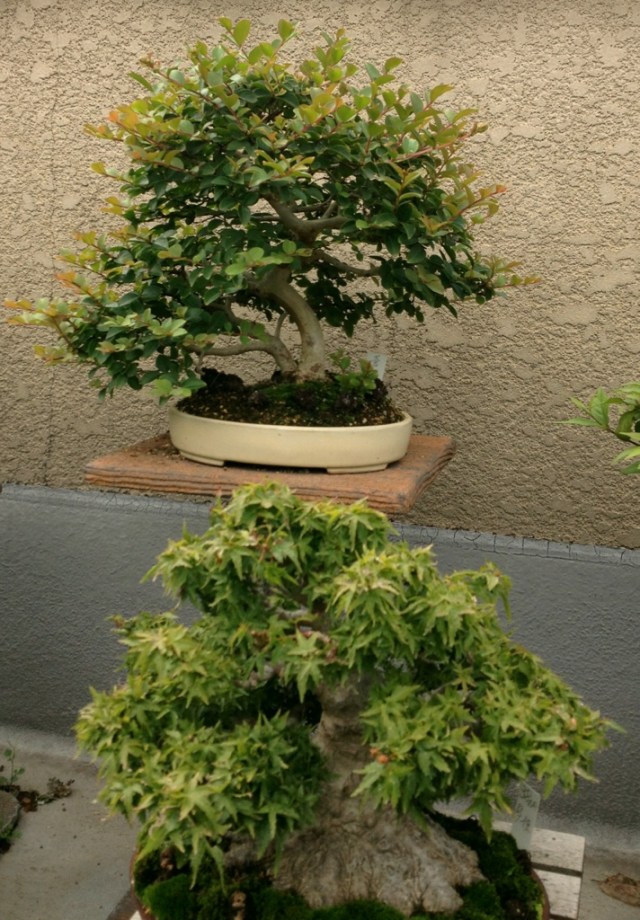
Twin trunk Crepe myrtle, top, and spectacular Koto Hime, bottom.

20130812-180056.jpg
Awesome Shishigashira Shohin.

20130812-180136.jpg

20130812-180117.jpg
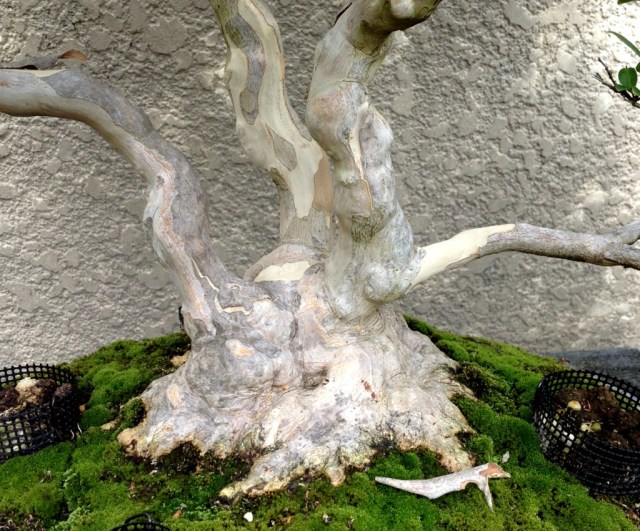
Chuhin Crepe Myrtle, base and branch detail.
20130812-180402.jpg
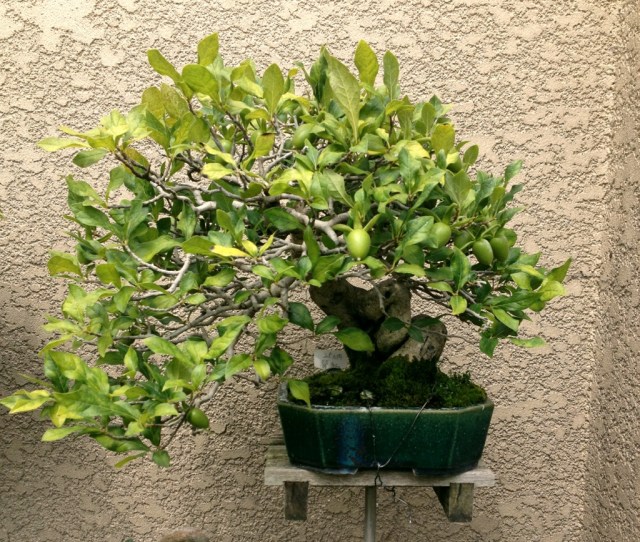
Princess Persommon in a Koyo pot

20130812-180430.jpg
Root over pool stone Kaede.

20130812-180525.jpg

20130812-180545.jpg
Top quality Shohin Black Pines.

20130812-180717.jpg

20130812-180733.jpg

20130812-180757.jpg

20130812-180827.jpg
Saling the seas of Shinpaku…

20130812-181145.jpg
Shohin Tosho(needle Juniper)

20130812-181329.jpg
The rest of the adventurers along(Top to bottom, Left to right), Matt Ouwinga, Jim Baley, and Neil Dellinger.

20130812-181558.jpg
Pyracantha raft.

20130812-181738.jpg
And a few pots: world class Heian Kouzan(bottom) and second Gen Shukuho(Top).
20130812-181754.jpg
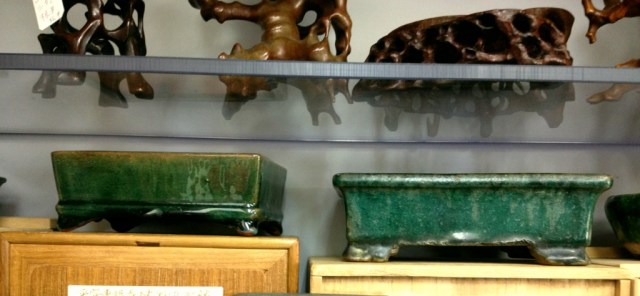
A couple of pretty decent Tofukuji…

20130812-181814.jpg
A couple more pretty nice Tofukuji…

That’s the beginning of the trip. Stay tuned for more, coming as soon as I organize my thoughts…and pictures…

Posted in Trees | 3 Comments

Nihon de Hajimete, or, Busting the Japanese Cherry(Prelude)

Japan: It’s every Bonsai fanatic’s dream. While I’ve been doing Bonsai for 6 years, it’s only in the last 3 that I’ve become serious about the art. From the first images I saw of Japanese bonsai in Kokufu albums and online, it’s been a milestone pursuit to travel there and see Japanese bonsai in person. Last week I did, and it was everything and more that I hoped it would be. But let’s back up a little bit.
One of my closer bonsai and pot nerd buddies is Matt Ouwinga, of Kaede Bonsai En, and earlier this year he invited me on the trip he was planning to Japan, led by the illustrious and delightfully sardonic Peter Warren, Mr Saruyamahimself.
I was, of course, ecstatic, and still consider myself quite lucky as a bit of greenhorn to have been included on this tour with such a respected group of Bonsai vets and notables.
6 months later, we were there. Here’s how it went(Peter Warren has beaten me to the punch on posting about our adventures, and his commentary is not to be missed. Click here for his excellent blog posts on the trip: Saruyama). I’m separating the posts into two or three nurseries at a time, plus an additional post solely about pottery, as the quantity of material and photographs are daunting, to say the least!
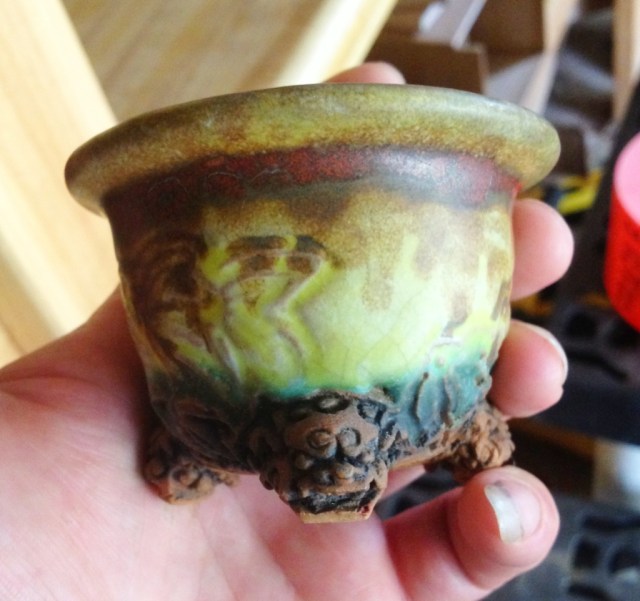
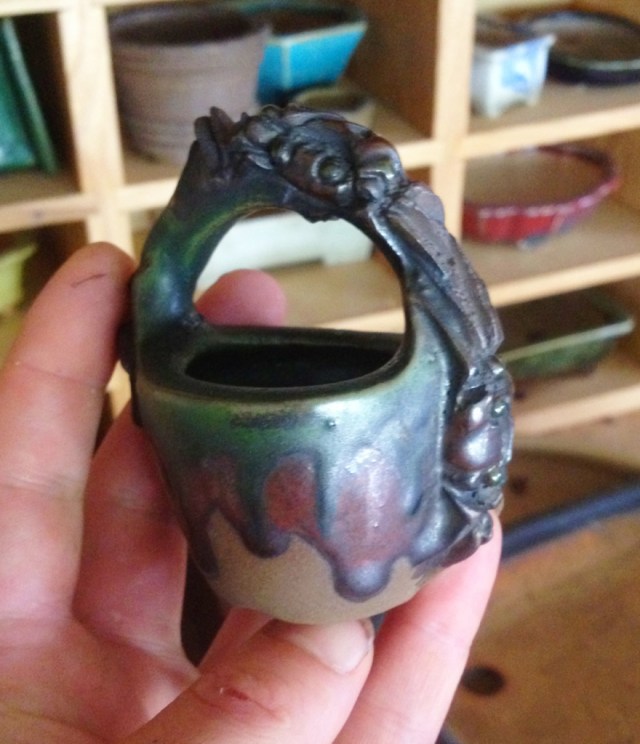
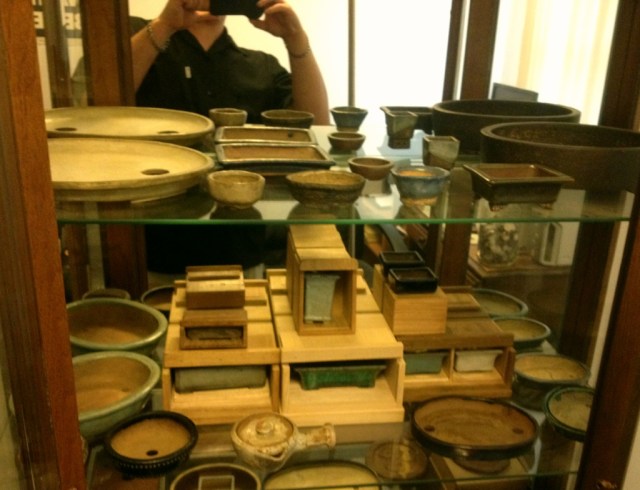
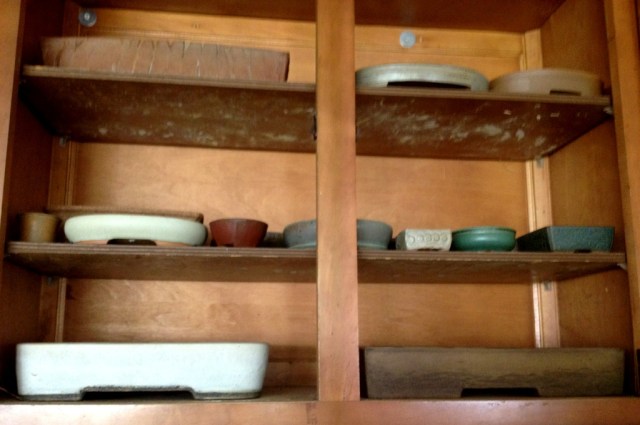
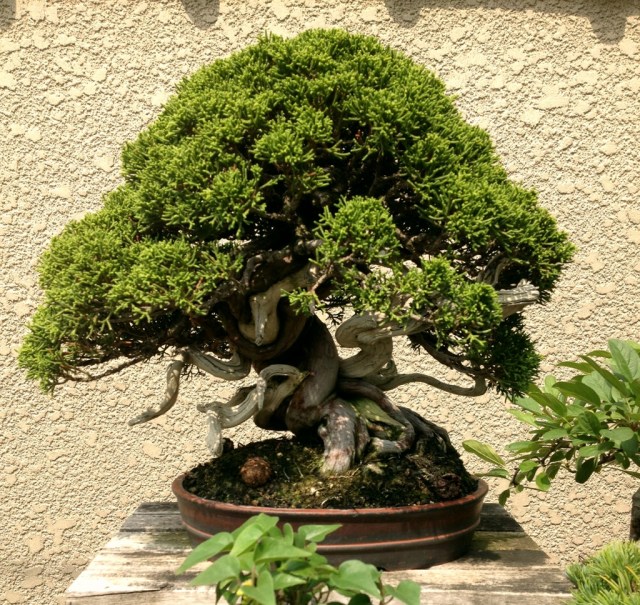
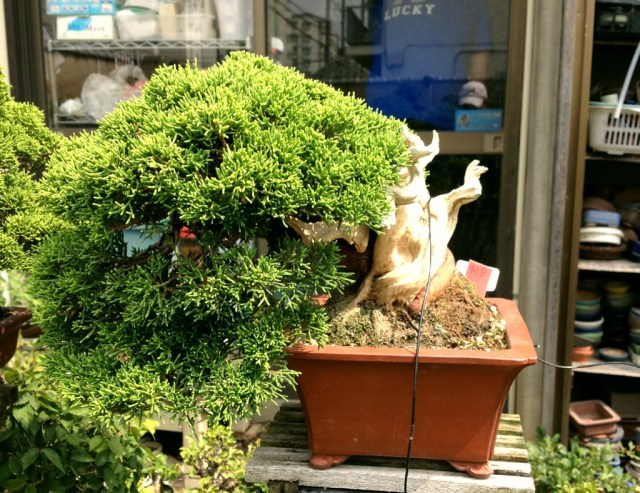
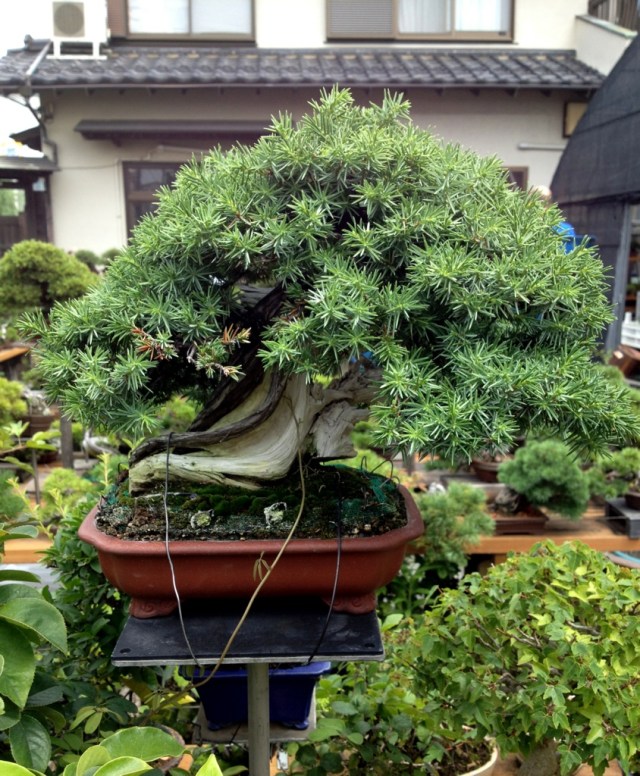
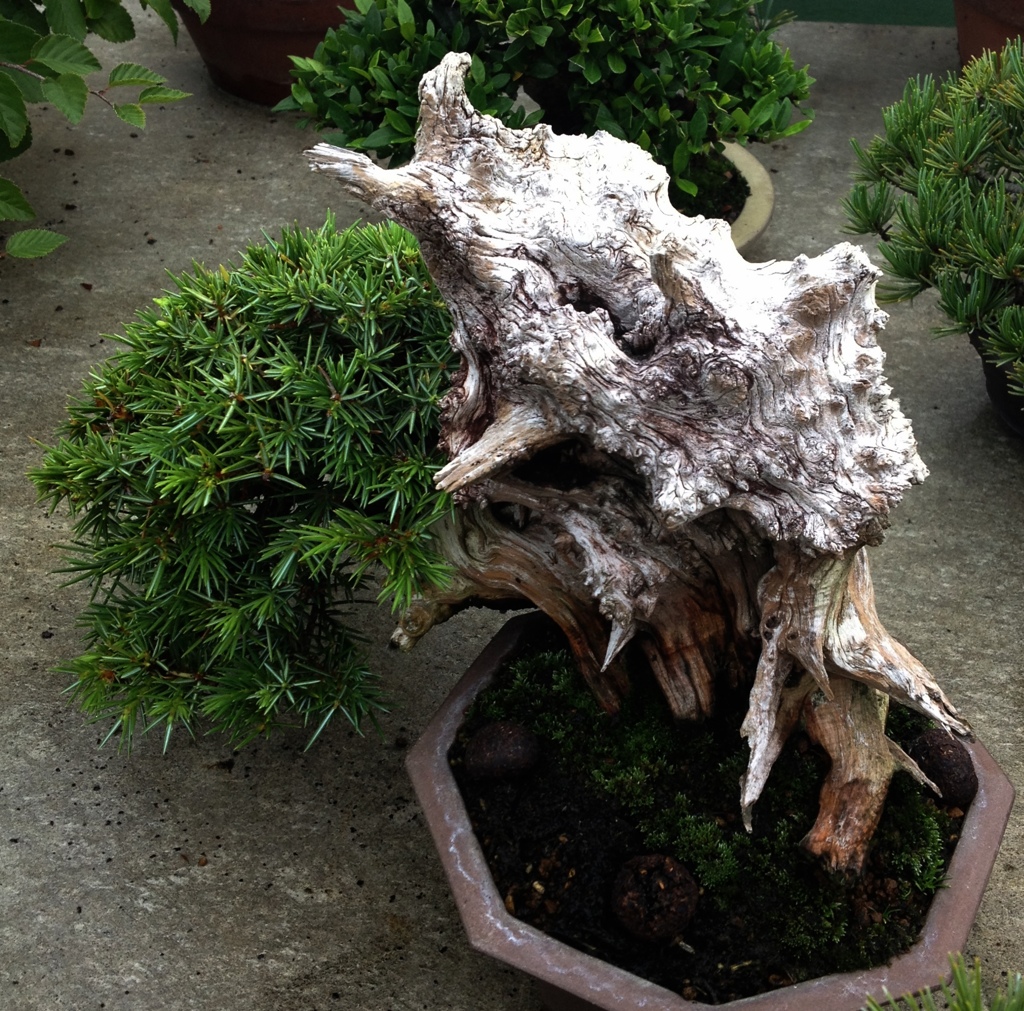
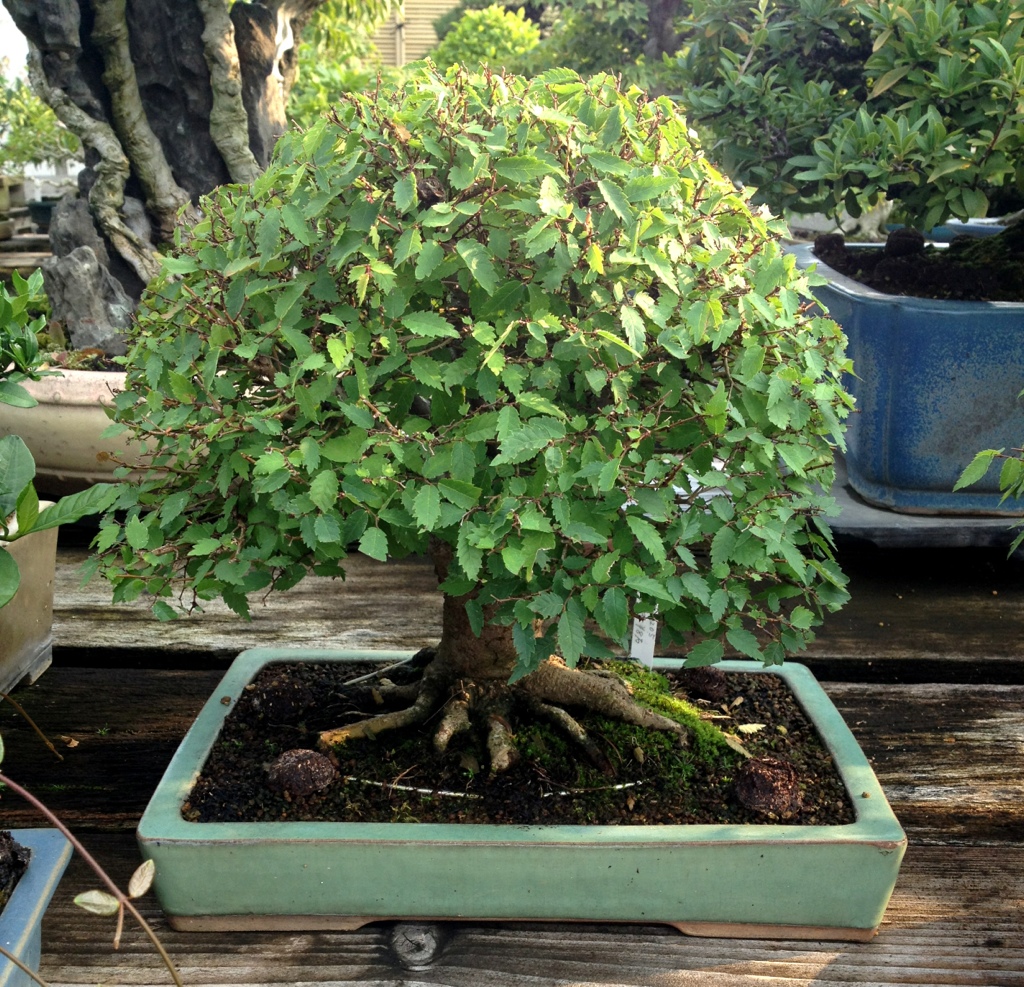
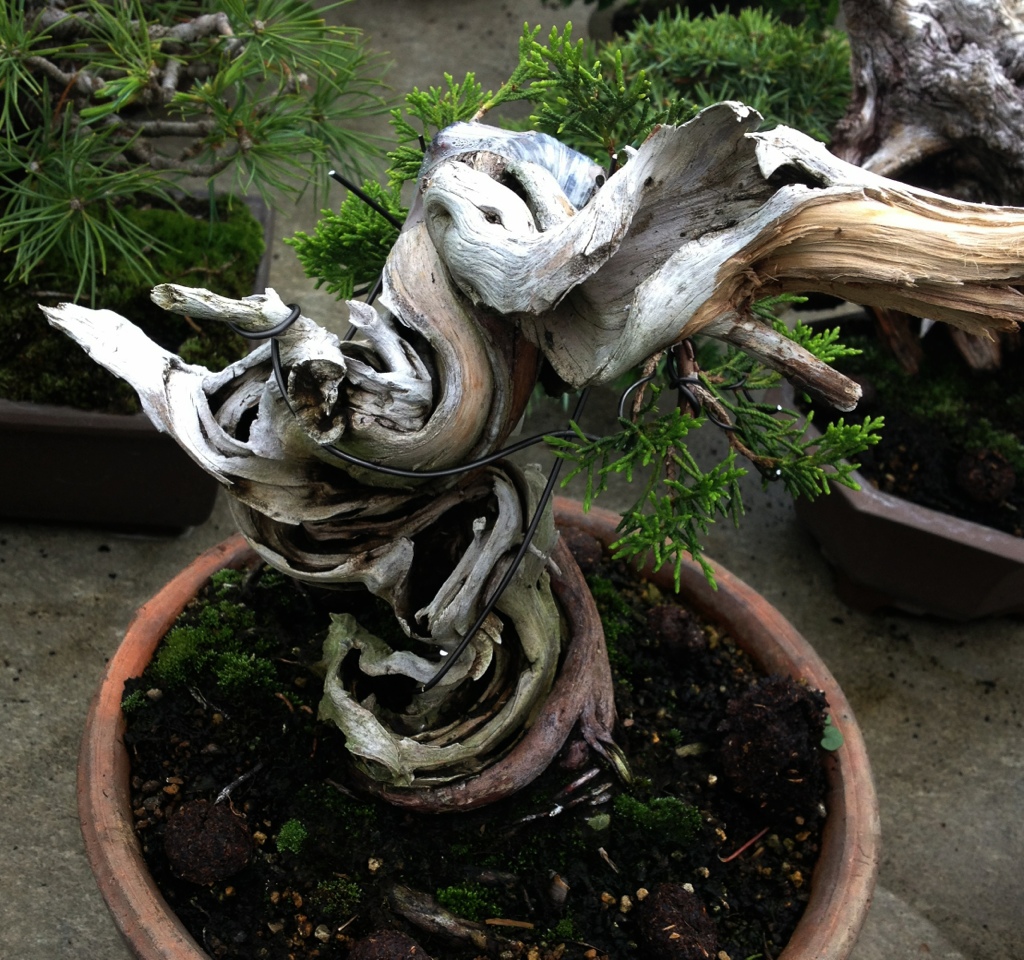
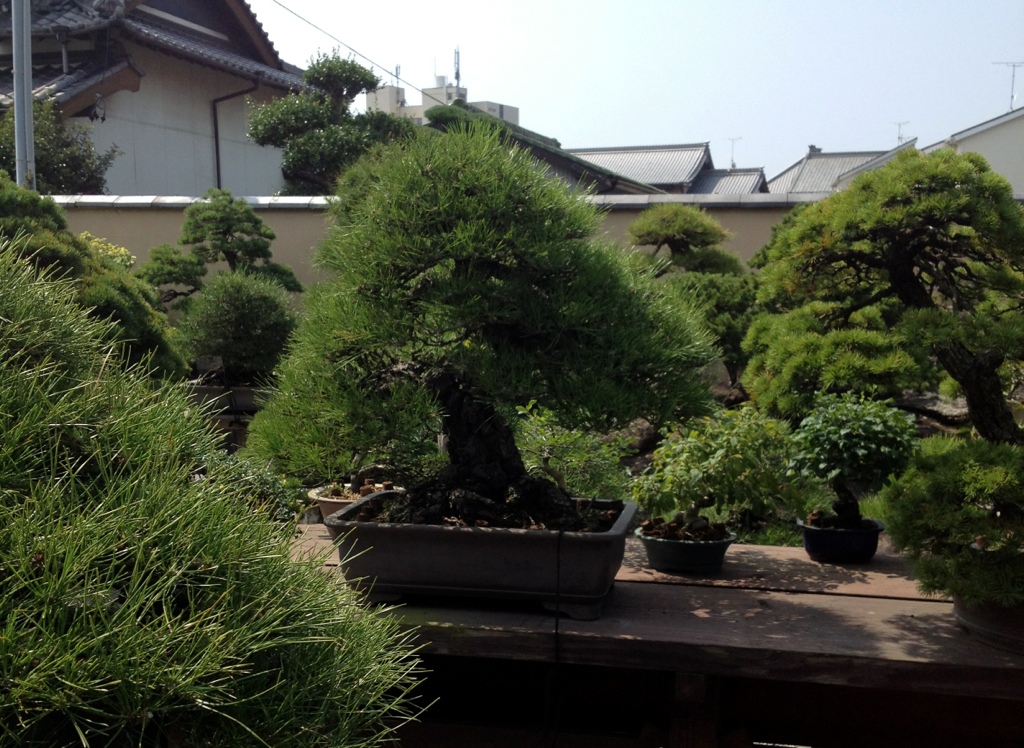
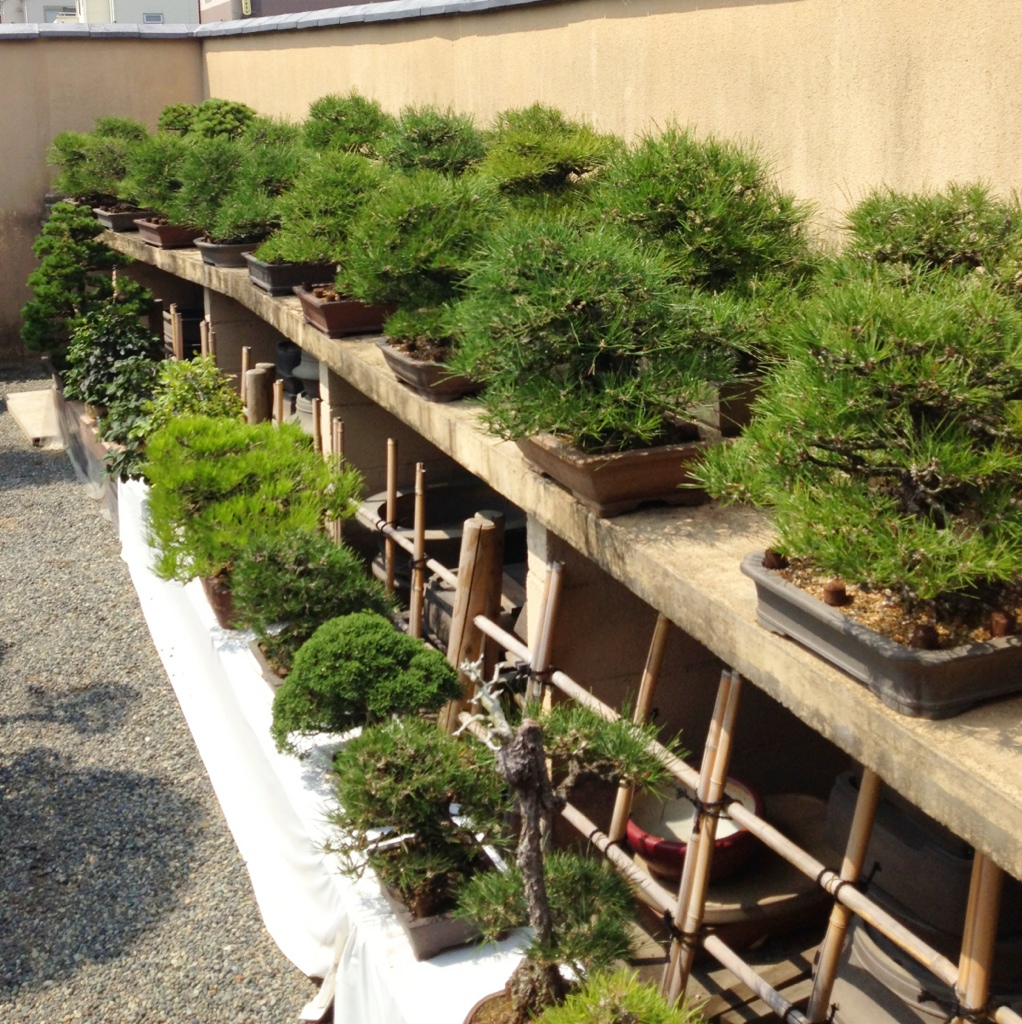
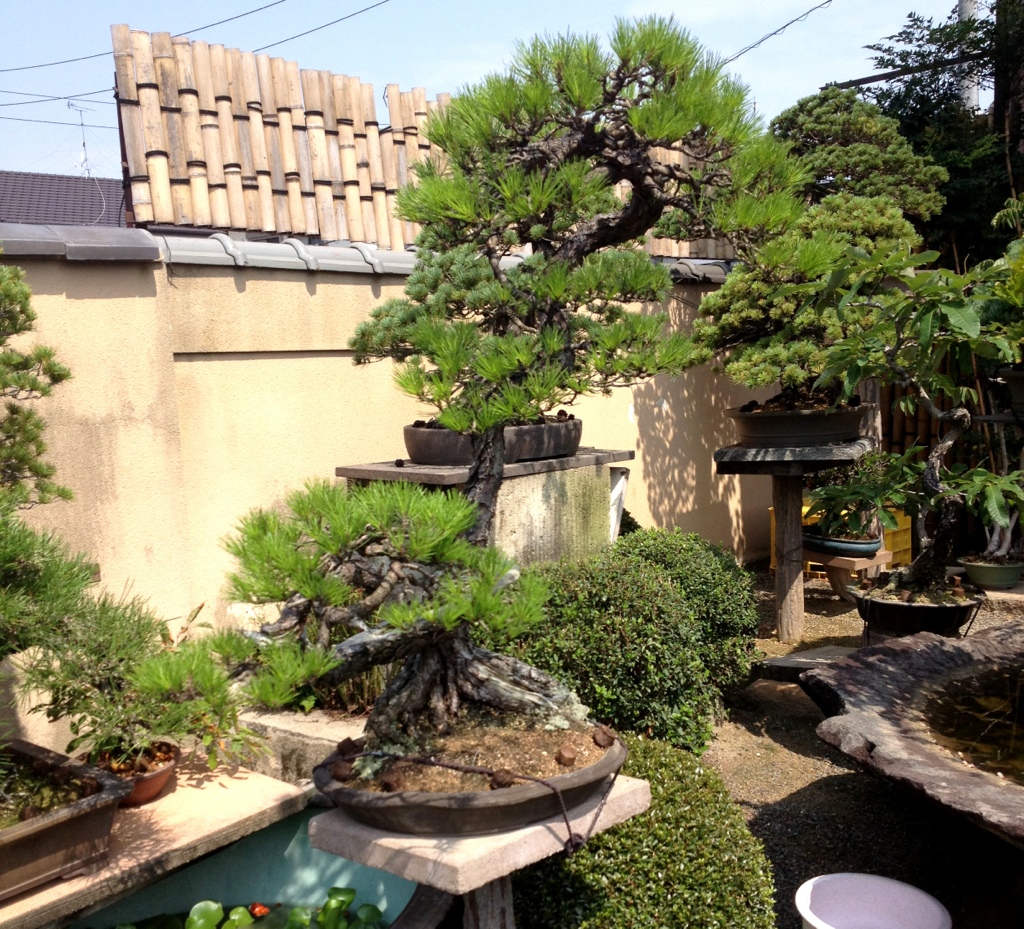
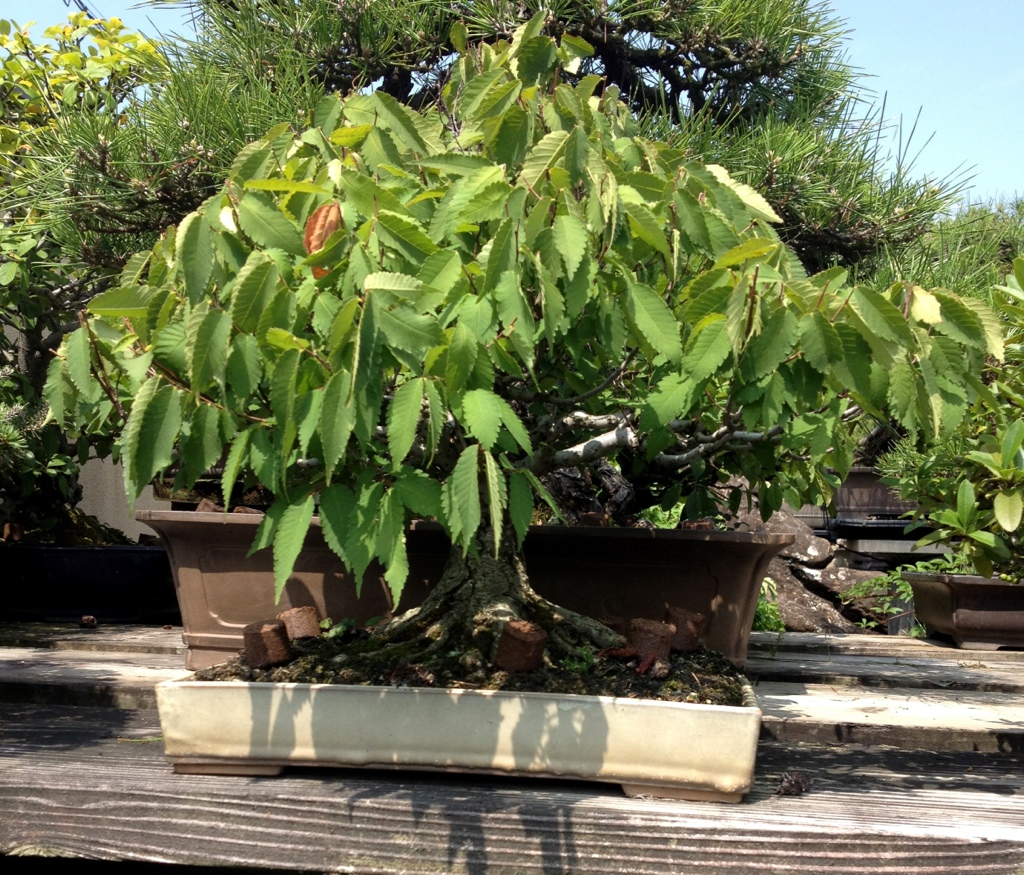
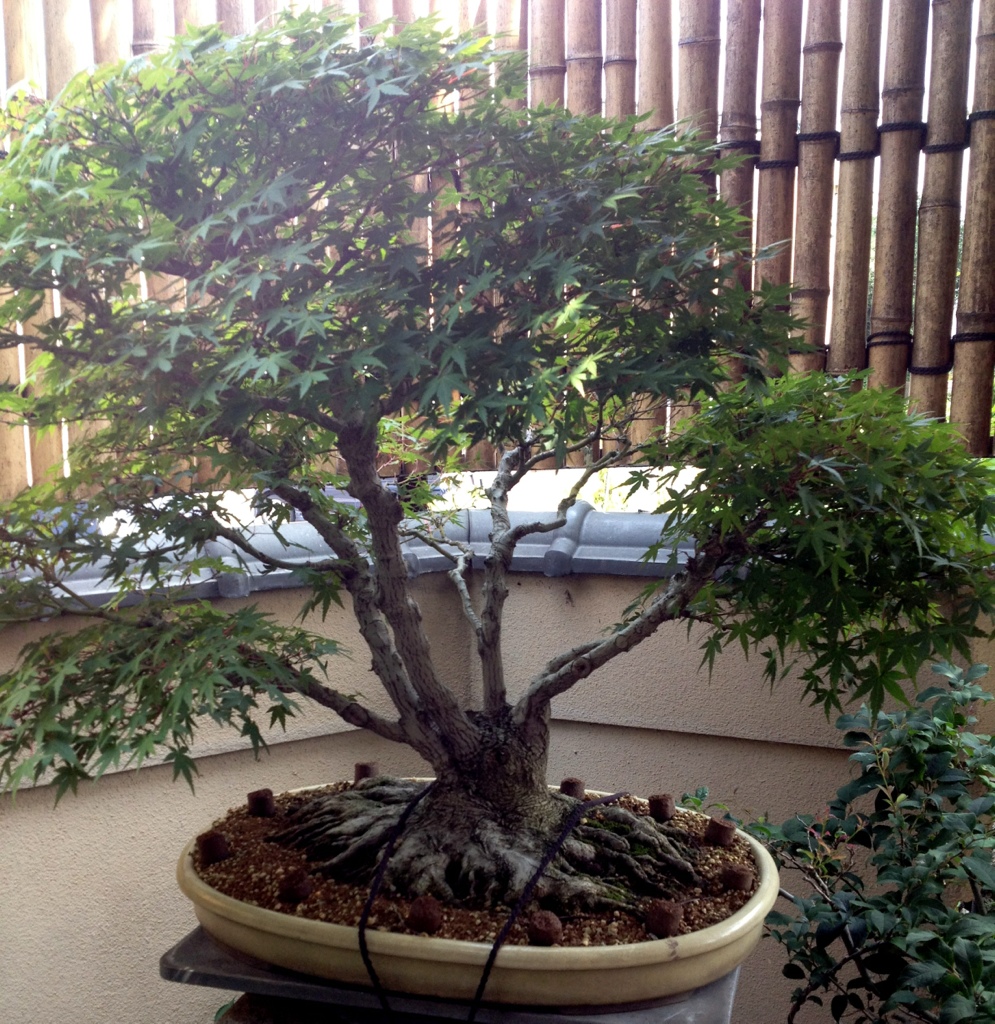
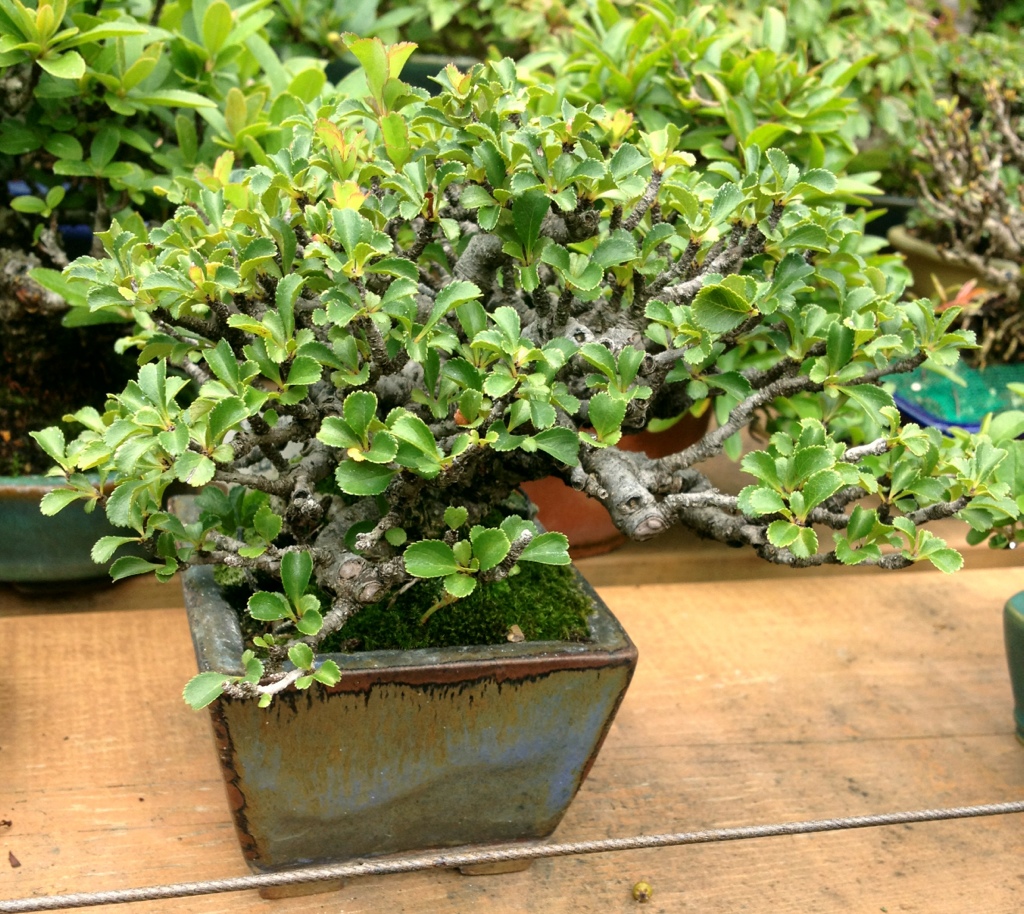
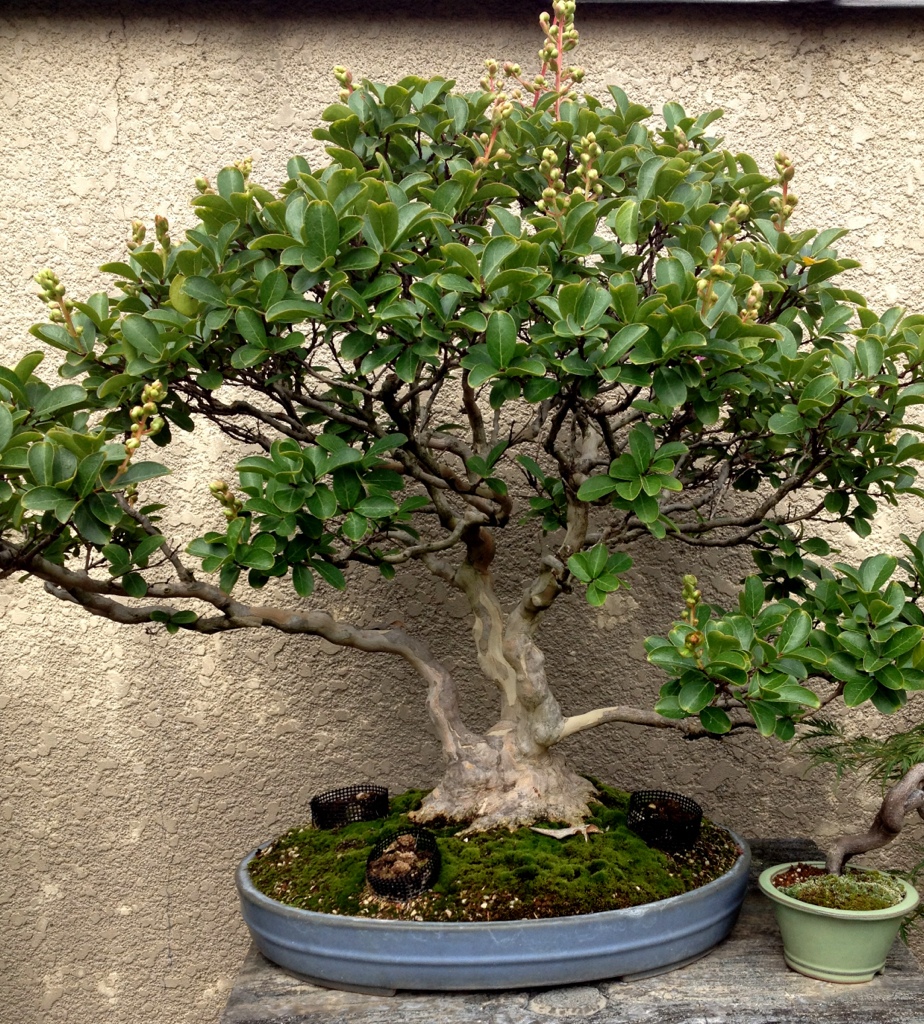
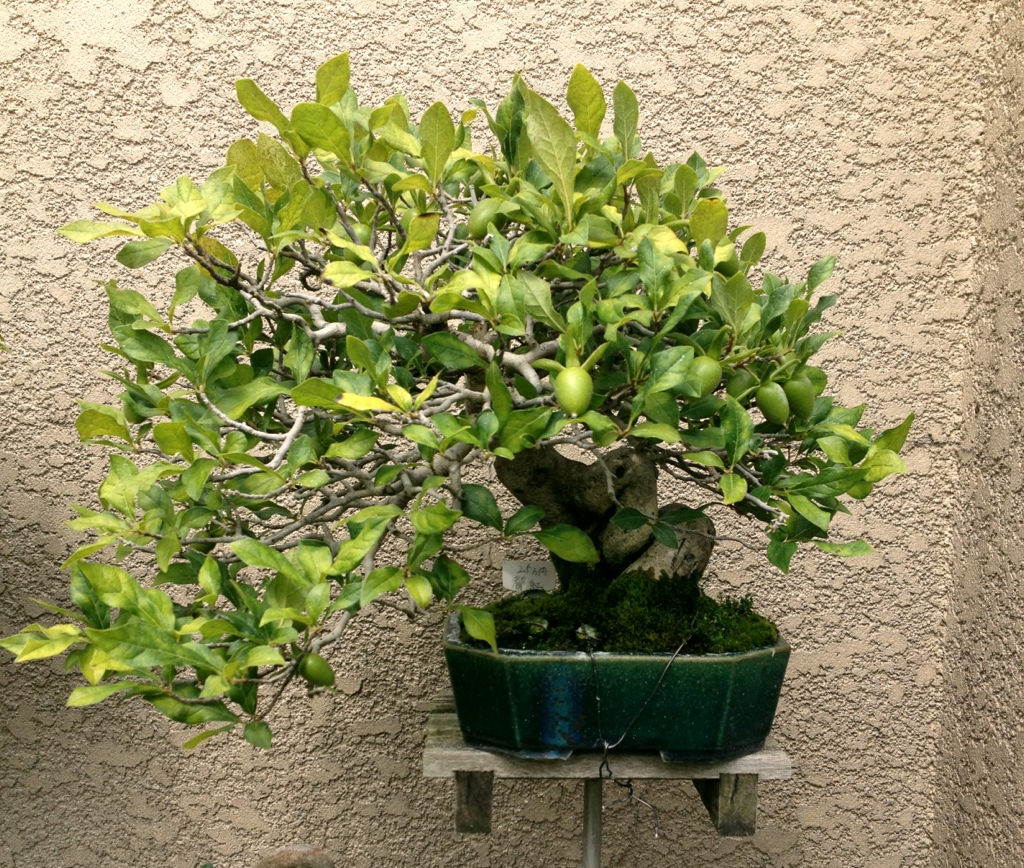
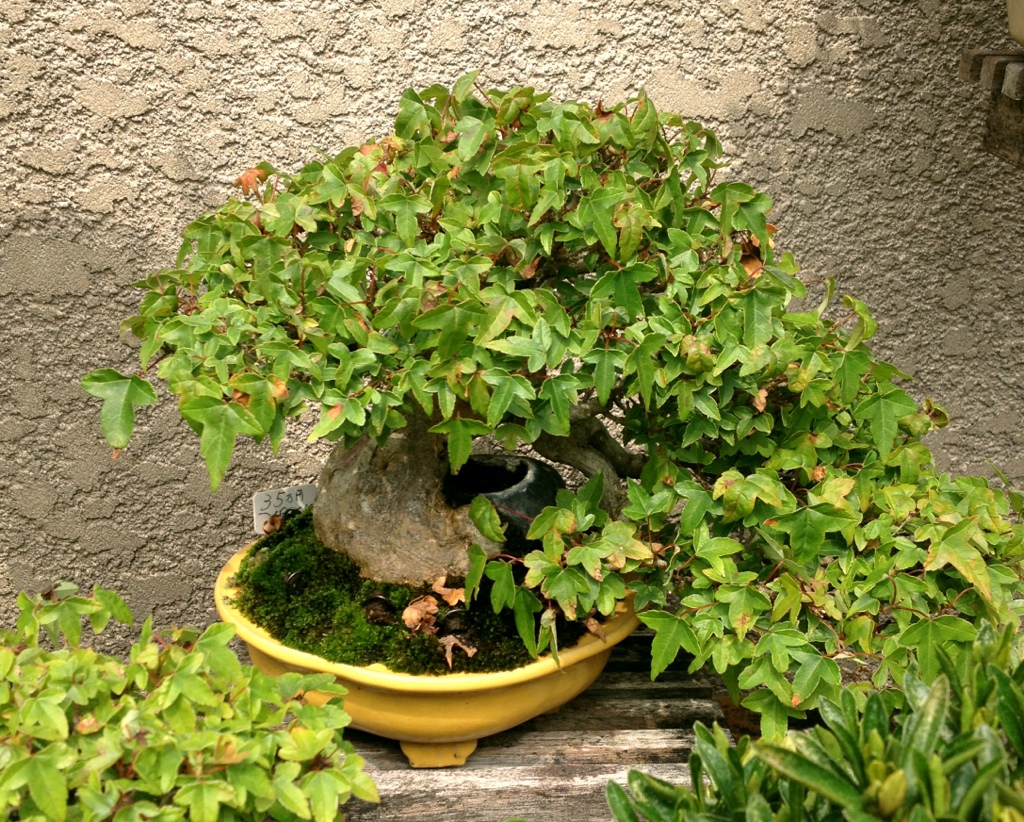
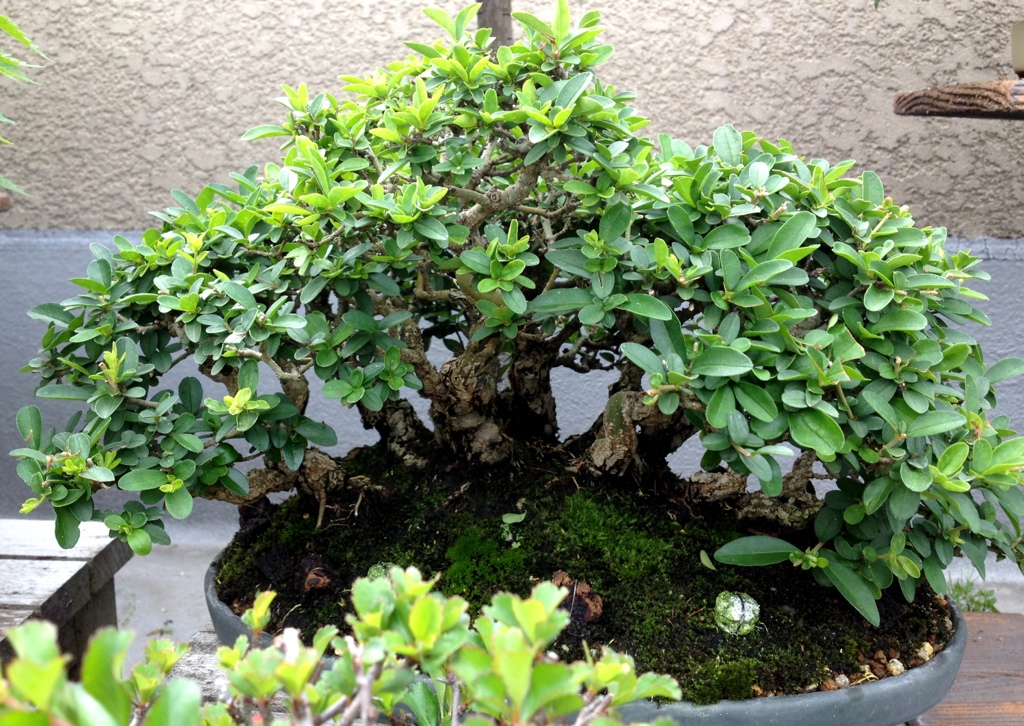
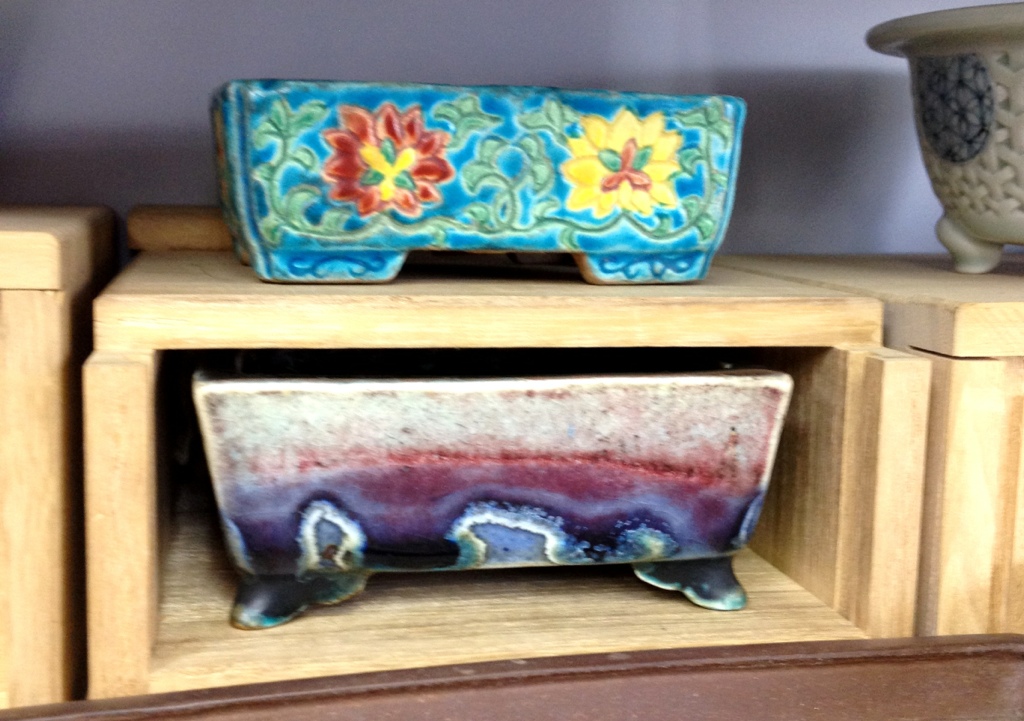
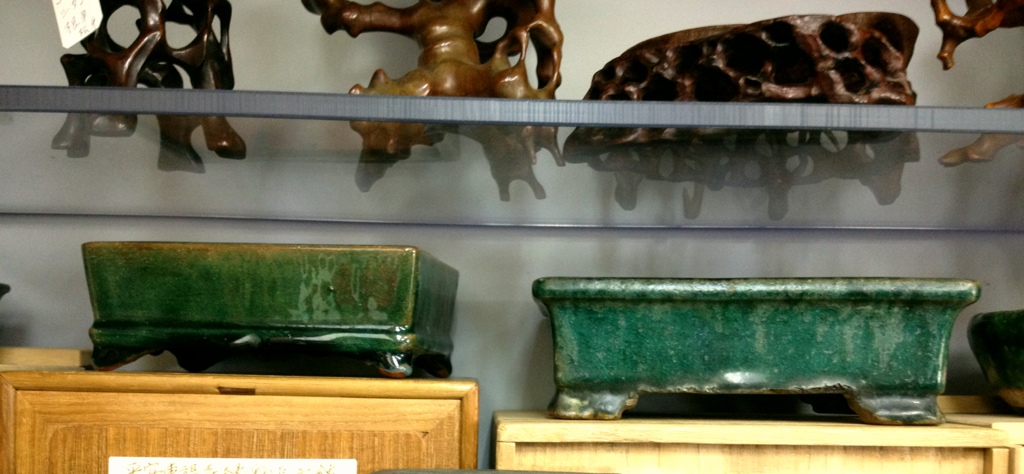
Here are just a few highlights to whet your appetite for posts to come:

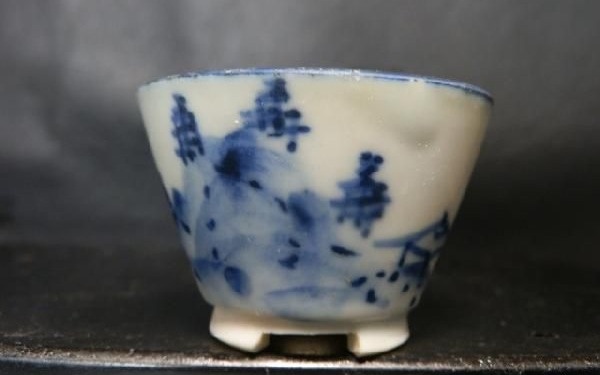
20130808-050022.jpg

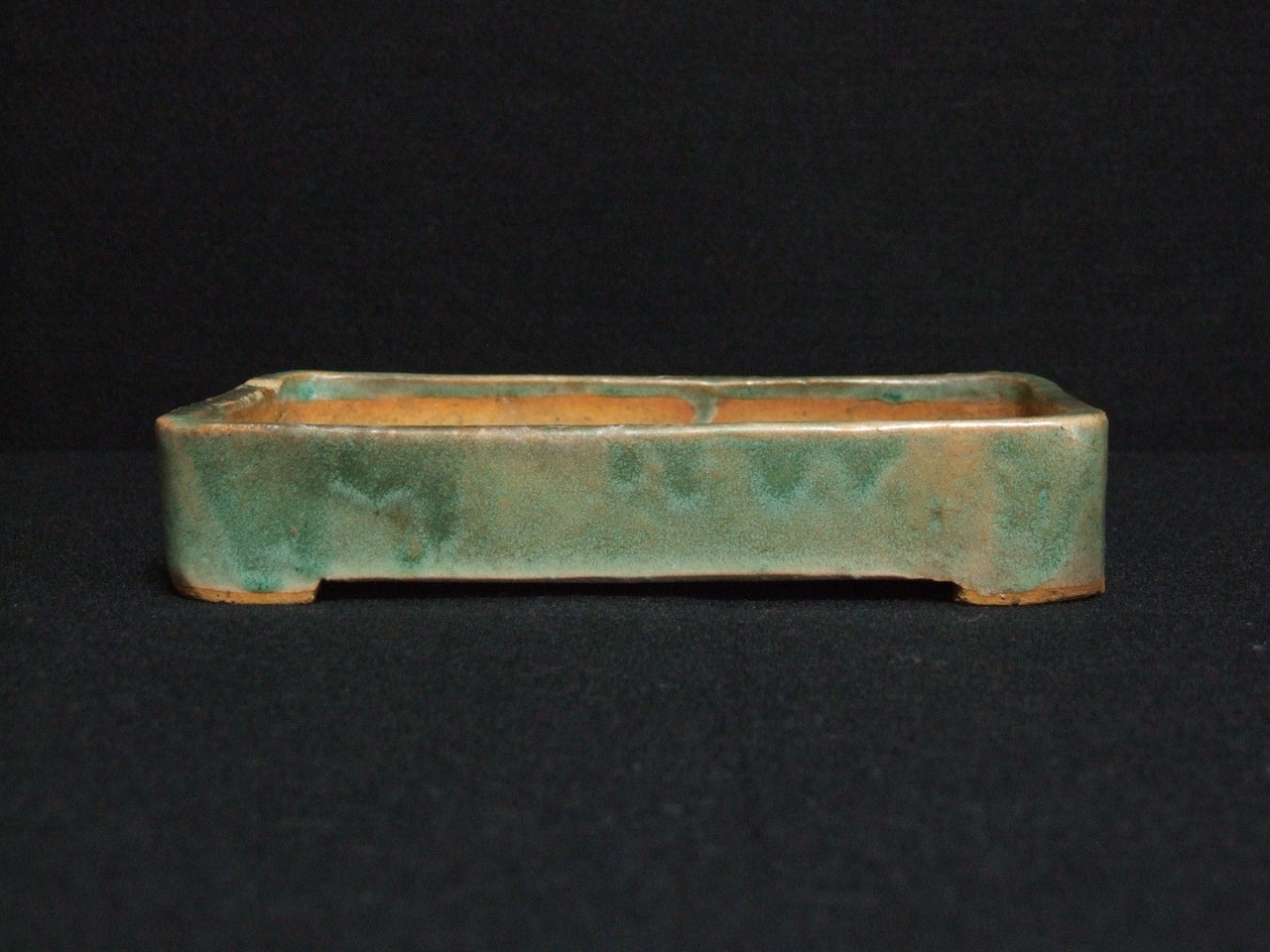
20130808-050059.jpg

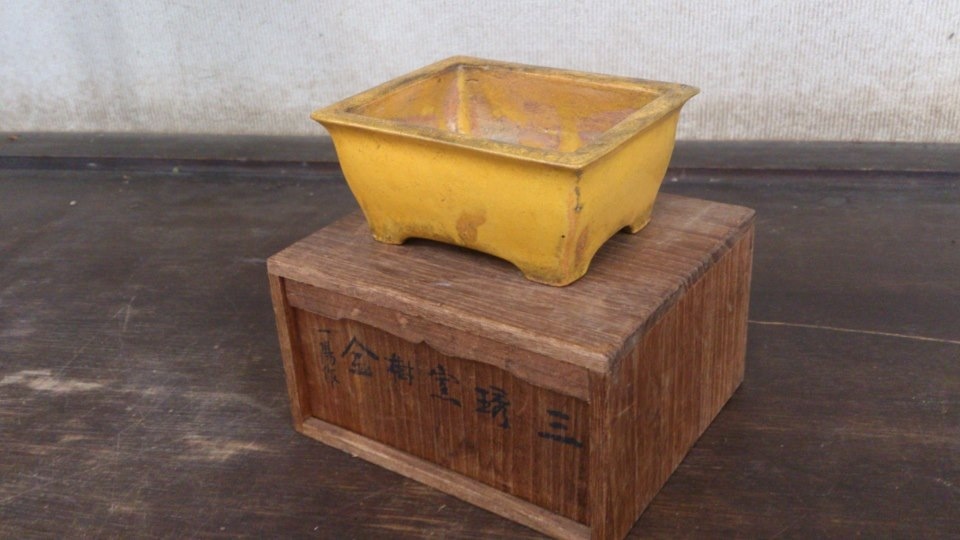
20130808-050226.jpg

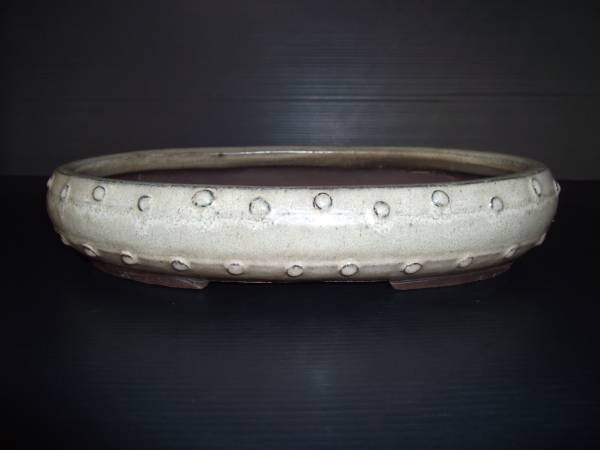
20130808-050308.jpg
Up First: Kaede Bonsai En, Shofuen, and Yamatoen, Stay Tuned!

Posted in Famous and Antique Potters, Modern Potters, My Personal Collection, Trees | 3 Comments

The Pots go up for Auction!

Beginning today at noon, and continuing until Sunday, all the pots still available on the “For Sale” page will be listed for auction on eBay, and 10 or more new pots will be up for auction as well. Reserves at 20-50% off the list retail price here, most with free shipping!
So get em while they last! After the auctions end, anything unsold, I’m keeping!
Here’s the link to my eBay store:
Japanese Bonsai Pots eBay

Posted in Famous and Antique Potters, Modern Potters, My Personal Collection | Leave a comment

Ichinokura Sekisyu(市之倉石州)

Ichinokura Sekisyu was born in 1925. He first opened the kiln “Koho” in 1956, and was primarily focused on tea cups and similar wares. Beginning in 1970, he began producing small bonsai pots under the Koho name, and in 1972, began producing pots under his own name, Ichinokura Sekisyu.
He is known for a very unique style of painting, and especially famous for his inset window paintings. Pots of the Sekisyu line are rare, it’s estimated than only 100 or so exist. Pots from the Koho line are as prolific as the Sekisyu pots are rare, they’re everywhere and quite inexpensive.
Like Tofukuji and Heian Kouzan, Sekisyu’s works are highly diverse, showing great skill in multiple mediums. Also like these two giants, his followers are legion, and he has had a profound impact on contemporary bonsai pottery.
Now, on to the pots!
Painted Sekisyu

20130708-164828.jpg

20130708-164833.jpg

20130708-164838.jpg

20130708-164844.jpg
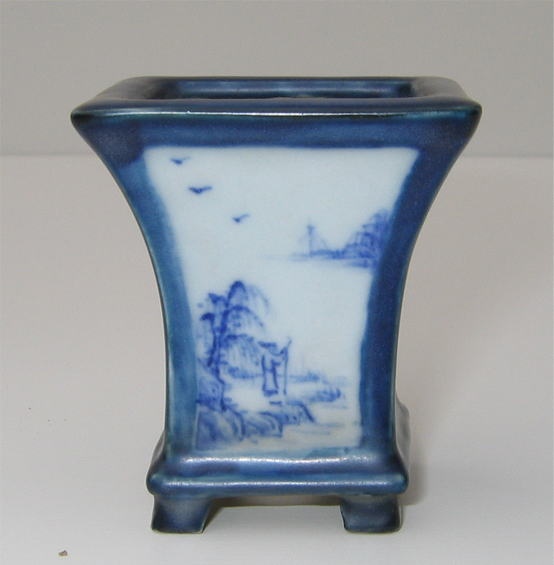
From all four sides, a great example o the window, or panel, painted pots that Sekisyu is famous for. The panels have great detail, and little to no bleed beyond the borders. The calligraphy I also beautiful, and the reversal of color(blue on white for the landscapes, white on blue for the calligraphy) is spectacular.

20130708-165150.jpg

20130708-165157.jpg
From two sides, another window pot, this one glazed. The details are beautiful, with great and fine line detail, and the skill shown in the glaze is great.

20130708-165317.jpg
We’ll move away from window pots for just a second to show this awesome blue glazed oval with white overglaze figures. My favorite Sekisyu. Sublimely elegant and understated. Can’t say enough about this one!

20130708-165506.jpg

20130708-165512.jpg

20130708-165518.jpg
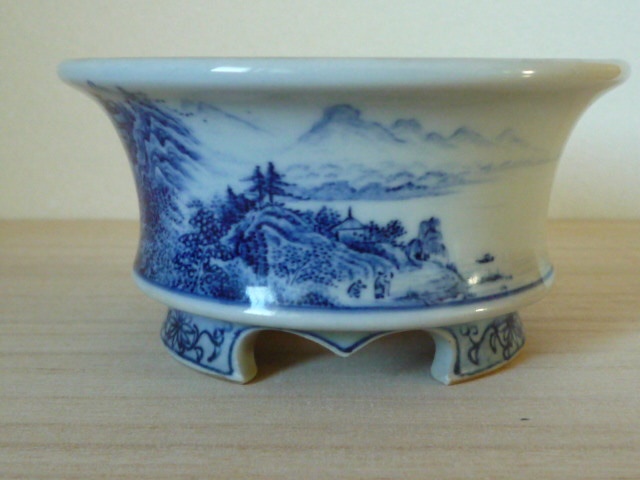
Three views of a landscape round with really cool feet. The details on the landscape are great, the painting beautiful, and the pot level with clean, sharp lines. Masterpiece.

20130708-165646.jpg

20130708-165653.jpg
Back to window pots for Another true masterpiece! Take note of the zero bleed in the panel, the lovely details to the landscape, and excellent calligraphy. A famous Sekisyu of virtually identical design appears in the Kinbon Encyclopedia of pots on page 81.

20130708-170201.jpg
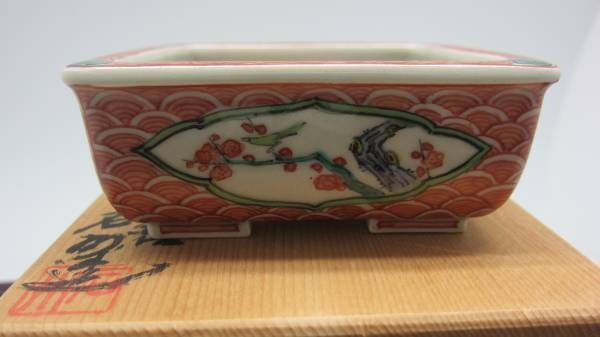
A differen type of panel painted pot, this one overglaze enamels in 5 colors showing the Chojugiga.

20130708-170327.jpg
Not quite a window painted pot, this one has a full wraparound band of porcelain painted landscape, with an unglazed lip.

20130708-170429.jpg

20130708-170435.jpg

20130708-170440.jpg
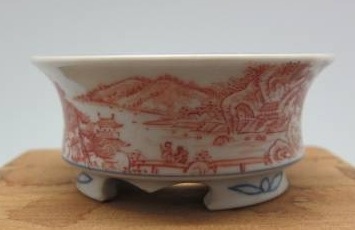
Three sides of another round, with akae landscape. Another with the excellent, fancy cut feet like the round above.

20130708-170610.jpg
A painted traditional style rectangle with geometrics and window.
Glazed and Unglazed Sekisyu

20130708-170728.jpg
A very simple, rustic, terebineri hand formed Sekisyu unglazed pot. Warm and simple.

20130708-170815.jpg
Sekisyu is famous for his reds, an they are plentiful and awesome. Clean, pure red glaze.

20130708-170904.jpg
A very simple, and very tiny, cream glazed rectangle Sekisyu with some blue highlights.

20130708-170959.jpg
A tall antique mirror shape cascade with a fascinating metallic glaze.

20130708-171050.jpg
A really nice green crackle glaze Sekisyu. It’s in pots like this one that we can see Sekisyu’s influence on contemporary potter Shigeru Fukuda(Bushuan!).

20130708-171210.jpg

20130708-171220.jpg
Another that must have influenced Fukuda in his pottery! One may say that these types of glazes are Canton ware influenced, but the shape of the pot leaves no doubt that Bushuan is a Sekisyu fan!!

20130708-172253.jpg
Another unglazed Sekisyu. Warm and rustic, this one shows an interesting clay color. GoyoMatsu, anyone?

20130708-172357.jpg
A darker, richer clay bag shape Sekisyu with lip and cut feet. Clean lines and classic shape: Quite a contrast with the rustic oval above!

20130708-172539.jpg
And we’ll finish up with Sekisyu glazed an unglazed pots with this red…See why he’s famous for reds now?
Koho
Koho pots are plentiful and cheap, though some are quite nice. They can go a high price wise as 150-200$, but for the most part, they are quite inferior to Sekisyu pots. It’s very easy to see from the paintings on Kohos why they’re priced so much more cheaply than Sekisyu: it’s not just availability and rarity, there’s a definite quality difference!

20130708-172939.jpg

20130708-172955.jpg

20130708-172959.jpg

20130708-172949.jpg
A few painted Koho. The patina on the last piece is especially nice. Note the rough, coarse lines of the paintings. They have their own charm, but are not comparable to Sekisyu signed works.

20130708-173205.jpg

20130708-173212.jpg
Some great examples of the best of Koho unglazed and glazed pieces.

20130708-173302.jpg
An excellent Koho with overglaze enamel. Like the previous two pots, this sits at the high end of the Koho line, 150$-200$.

I hope you’ve enjoyed this glimpse at the pottery of Ichinokura Sekisyu! Thanks for reading! Up next: Wazyaku!

Posted in Famous and Antique Potters | 2 Comments

Sansyu Ichiyo (三琇一陽 )

Sanshu Ichiyo was born In Aichi prefecture in 1902, and passed away in 1985. His family ran a wholesale China store, an he later ran a similar operation in Tokyo. Selling pottery, he had a unique opportunity to study different styles and types popular around Japan at the time, and eventually began making his own. He is thoroughly self educated.
Along with notable potters like Tofukuji and Uematsu Tosui(another renowned pottery wholesaler come pottery designer), it is believed that Ichiyo, along with close friend Ichikawa Taishu, were pivotal in ushering in the age of respect for Japanese ceramicists in the 20th century. His admirers are legion, and his apprentices include such notable notables as Ito Gekkou, Ito Tonyo, Shiko, Tankyou, and Sugiura Keisen.
Now, on to the pots!

20130703-175354.jpg
First up, from my collection, a large(19″) unglazed oval with a mottled patina over yellow clay. Really interesting clay color, similar to old Chinese white clay.

20130703-175616.jpg
Another of mine, a tray style rectangle with cream glaze and a magnificent patina.

20130703-175743.jpg
A light blue round with gold repair work. Ichiyos have a relatively delicate construction, and, as a result, the vast majority show some significant edge chips.

20130703-175932.jpg
The last Ichiyo in my collection, a tiny blue mokko shape.

20130703-180034.jpg
A yellow Ichiyo rectangle. Clean, pure yellow with a nice patina.

20130703-180134.jpg
A footed cream glazed Ichiyo. Nice patina beginning to form over the pure white glaze.

20130703-180241.jpg
A green glazed Ichiyo bag style pot. Ichiyo is famous for his green glazes, which are considered some of the best of his generation.

20130703-180351.jpg
A footed cream crackle rectangle. This was probably made around the time that antique crackle glazes became popular at exhibition. Many potters have made some sort of homage glazed pieces like them.

20130703-224430.jpg
A fine example of why Ichiyo is famous for greens!

20130703-224600.jpg
Another yellow, bright and fresh with an excellent patina. The box is awesome, and shows the age better than the pot, in this case.

20130703-224714.jpg

20130703-224750.jpg

20130703-224845.jpg
A couple of mini Ichiyo showing some nice glazes and patina. The cascade in particular is nice: clean lines and great patina.

20130703-224954.jpg
A relatively rare blue green Ichiyo oval. Really nice and understated, like much of Ichiyos work.

20130703-225052.jpg

20130703-225100.jpg
Front and bottom of a cream glazed drum over rich black clay. You can really see Ichiyos skill and attention to detail in this piece.

20130703-225200.jpg
And we’ll finish up with this either blue-green or green-blue bag style pot. A great example of Ichiyos individual and unique glazes. The robins egg flecks bring out a darkness in the glaze, that, up close, appears quite bright and light.

20130704-060137.jpg
Oops! Nearly forgot this one! I identified this pot as Sanshu Ichiyo for Bill Valavanis when I was at his nursery last November. This Ichiyo originally came from Yuuji Yoshimura. Ichiyo of this size(the chrysanthemum is 27 inches) are rare, an the glaze is the very green-blue that Ichiyo is famous for. A masterpiece pot! The photo comes from “Classical Bonsai Art: A Half Century of Bonsai Study”. An excellent book, I highly recommend!

20130704-061144.jpg
Ichiyo artist marks.

I hope you’ve enjoyed this look at pots from Sanshu Ichiyo. Up next, we’ll take a look at master unglazed potter Wazyaku, then, the whimsical painted pots of Heian Shoami, and, then, the masterpiece pottery of Ichinokura Sekisyu.
A preview:

20130703-225745.jpg
Wazyaku

20130703-225813.jpg
Heian Shoami

20130703-225840.jpg
Ichinokura Sekisyu

Thanks for reading!

Posted in Famous and Antique Potters, My Personal Collection | Leave a comment

A Quick Shot of a Kifu Shimpaku(Update, Mystery Solved!)

A while ago I posted this post about a Kifu Size Shimpaku Juniper from my collection. I’d wondered about the pot for quite a while, as it was not marked as a Tofukuji Jr, and the quality was different and much more like a Tofukuji Senior. For the last several months, I’ve been 100% certain that’s it Junior(unfortunate, but still one of the best he ever made). Here’s the original post, and some succinct and brief proof:
“After putting up a new bench in the garden today, I decided to grab this Shimpaku and take a couple of quick shots before some heavy pinching. The plan for the future is to reduce the total weight of the foliage by around 40%, as it’s a bit overwhelming for the trunk, despite the nice areas of Shari that will be slightly expanded. Height is 11”.
The pot is a big fat question mark. Its a first or second generation Tofukuji. The style, pear skin clay type, and stamp are all first generation(though Jr often didn’t mark his pots as “Jrs”), though the Chop is one Tofukuji Sr mostly reserved for slightly larger pots. A master in Japan told me that if it is a First generation, it is exceedingly rare and valuable(and not chump change if its a Jr!) For now, I’ll just leave it as a “Tofukuji”.

20120720-140013.jpg

And here are some more images of the pot.

20130627-093650.jpg

20130627-093701.jpg
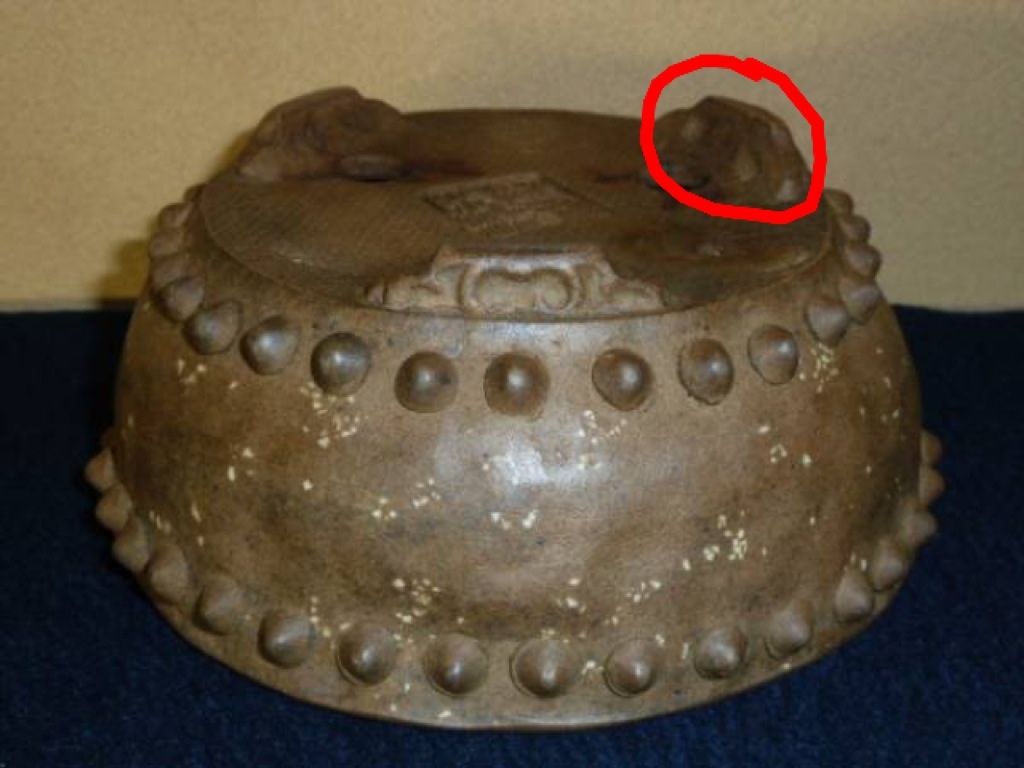
The style is very much Tofukuji Senior. The foot design, fabric impression, rivet style, pear skin on interior, and clay remnants around the drainage are all key indications of Senior style.

20130627-094417.jpg
A First Generation Tofukuji showing similar rivets.
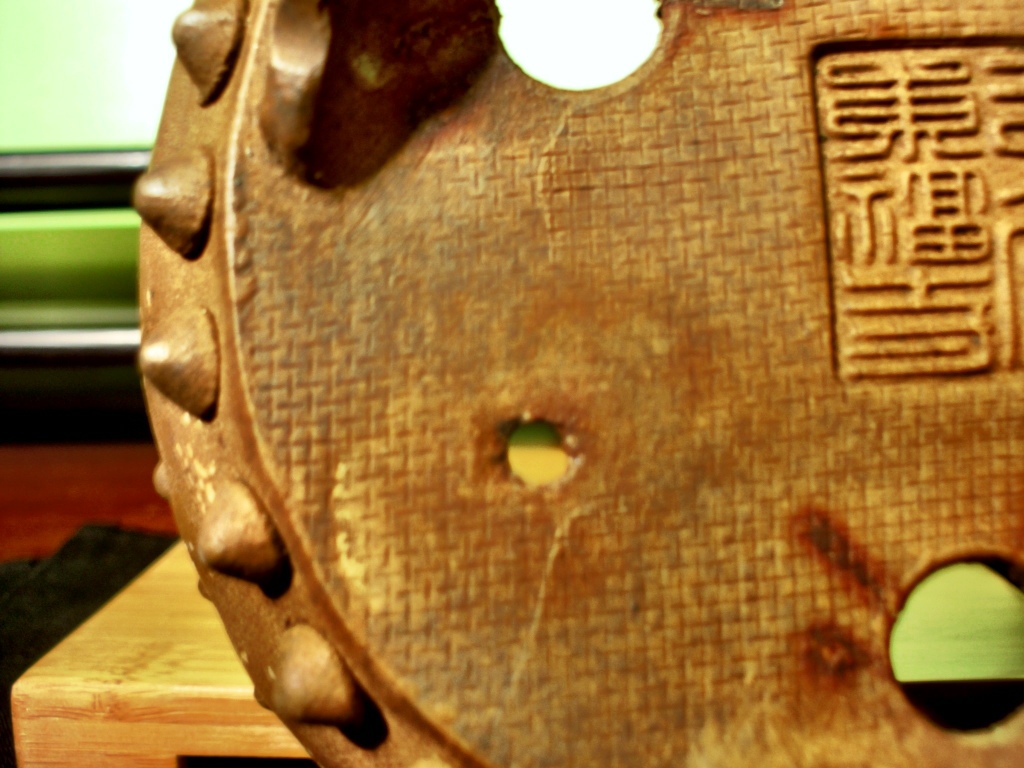
The only thing that gave me(an a couple of other well-known Japanese experts!) pause was the single tie down hole. Senior didnt use tie-downs. I believe however, that this was drilled after firing, so that doesn’t prove it one way or another either!

20130627-094023.jpg
Close up of the small drilled tie down.
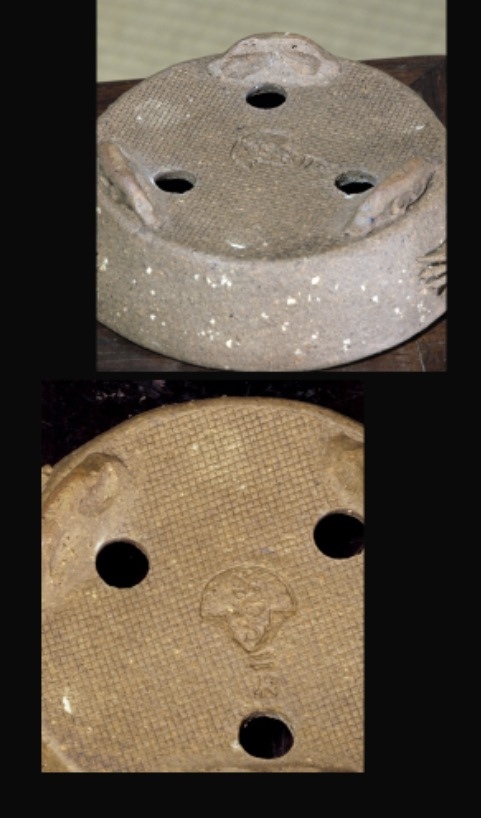
But, here’s the clincher: note these two small impressions on the underside of the feet:

20130627-094535.jpg
Subsequent to this original post, I’ve ascertained that this feature is unique to Tofukuji Jrs. Consequently, I believe the tie down hole was most likely drilled to remove a 2nd generation Tofukuji mark, so that the pot could be sold as a First Generation(I bought it as “probably a Junior” and it was inexpensive).

20130627-094836.jpg

20130627-095054.jpg
A couple of marked 2nd Generation Tofukuji, showing the unique method of foot attachment with the two oval impressions.
Unfortunately, the removal of 2nd generation specific chops isn’t all that uncommon. I have 2 other pieces where I believe this to be the case, clear examples of, if not outright forgery, total misrepresentation and shady business!

Thanks for reading!

Posted in Famous and Antique Potters, My Personal Collection | 2 Comments

F@$&*%#g Forgeries!

It’s often mentioned that there are many forgeries of famous Japanese potters’ work, in fact, I’ve heard some claim that there are more fake than real. The truth is, I think, that these claims are sometimes exaggerated. While I often see forgeries, I see far less than some would lead you to believe, and most often, they are glaringly obvious.

The main culprits of this diabolical BS are auctions service sites like Jauce and Buyee. These sites used to provide access to a great site, but ever since their inception, the site has become over run with garbage, rip offs, broken merchandise, and fakes.  DO NOT BUY there without checking with a reputable dealer or appraiser on what you’re buying.

I saw a couple today and thought they were worth a share.
Now, on to the fake pots!

20130619-183147.jpg
This piece here is supposed to be a Miyazaki Isseki. The style is all wrong, though the pot shape is one seen occasionally from Isseki.

20130619-183341.jpg
The base. Signature looks good. Clay not far off. A prime example of why signatures are the LEAST important factor in nailing down a forgery.

20130619-183525.jpg
A supposed Tsukinowa Yusen. Painting isn’t as crisp and skillful and Yusen’s normal work, though it’s not terribly off from some dragon pots of Yusens.

And the base. Once again. The signature looks good.
Now….take a look at the two bases together:

20130619-183734.jpg

20130619-183643.jpg
Pretty obvious, don’t you think? I think it likely that these pots are Chinese in origin, and were unsigned. There is no overlap of clay in the nail carved signatures, which look to be a consistent and uniform depth: machine router. Super easy to load an image of the signature into a machine router and cut into an already existing pot that resembles the artists in style(and may even have a significant patina!).

20130619-184221.jpg

20130619-184227.jpg
Another from the same seller, this one an Ino Shukuho. Clay is all wrong, glaze looks wrong, and oval Shukuho are rare. Another fake. Unlike the first two, I don’t think this could have been made with a machine router. Those look to be pre fire stamps.
Quite a little factory this seller has going!
So, in short, Buyer Beware! While forgeries exist and are out there, they’re not as common as all that, and an educated buyer can almost always spot them easily. Know your potters! It’s especially important to know the style and clay types used by the potter you’re looking to buy, and NOT rely on the signature or stamp: that’s the easiest part to fake!!!
Thanks for reading, be careful out there.

Posted in Famous and Antique Potters | 2 Comments

Still More New(Old) Pots up For Sale

More pots posted up on the “For Sale” page! Big names, Big pots! Zeshin, Shoseki, Koyo, Keizan, Tofukuji and Bushuan!!
Click here to check them Out!
For Sale

20130618-120849.jpg

20130618-120855.jpg

20130618-120903.jpg

20130618-120916.jpg

Posted in Famous and Antique Potters, Modern Potters, My Personal Collection | Leave a comment

More new(old) pots for Sale!

Another 30 or so lists today on the “For
Sale” of the site. Many budget level Tokoname shohin pots with excellent patinas. Something for every budget!
More still to come tomorrow, when I’ll be listing a couple of Tofukuji, super high end larger Bushuan, and really high end end painted pots! Stay tuned and subscribe for the haps!

20130611-224746.jpg

20130611-224753.jpg

20130611-224801.jpg

20130611-224813.jpg

Posted in Famous and Antique Potters, Modern Potters, My Personal Collection | 3 Comments